
Streaming Wars vs. Traditional Distribution: Which Is Better For Your Documentary in 2026?

The documentary distribution landscape has shifted dramatically. What worked five years ago might leave your project gathering digital dust today. If you're weighing your options between streaming platforms and traditional distribution routes, you're asking the right question: but the answer isn't as simple as picking a side.
Let's cut through the noise and look at what actually moves the needle for documentary filmmakers in 2026.
The Streaming Reality Check
Streaming isn't just winning: it's dominating. By May 2025, streaming captured 44.8% of all TV viewership, leaving cable at 24.1% and broadcast at 20.1%. That's not a trend anymore; it's the new foundation of how people consume content.
But here's what those numbers really mean for documentary creators: your audience is already there, waiting, with credit cards in hand and viewing habits that favor your content type. Streaming platforms have made documentaries a strategic priority because they deliver exactly what modern audiences crave: authentic, real-life storytelling that feels more valuable than scripted entertainment.

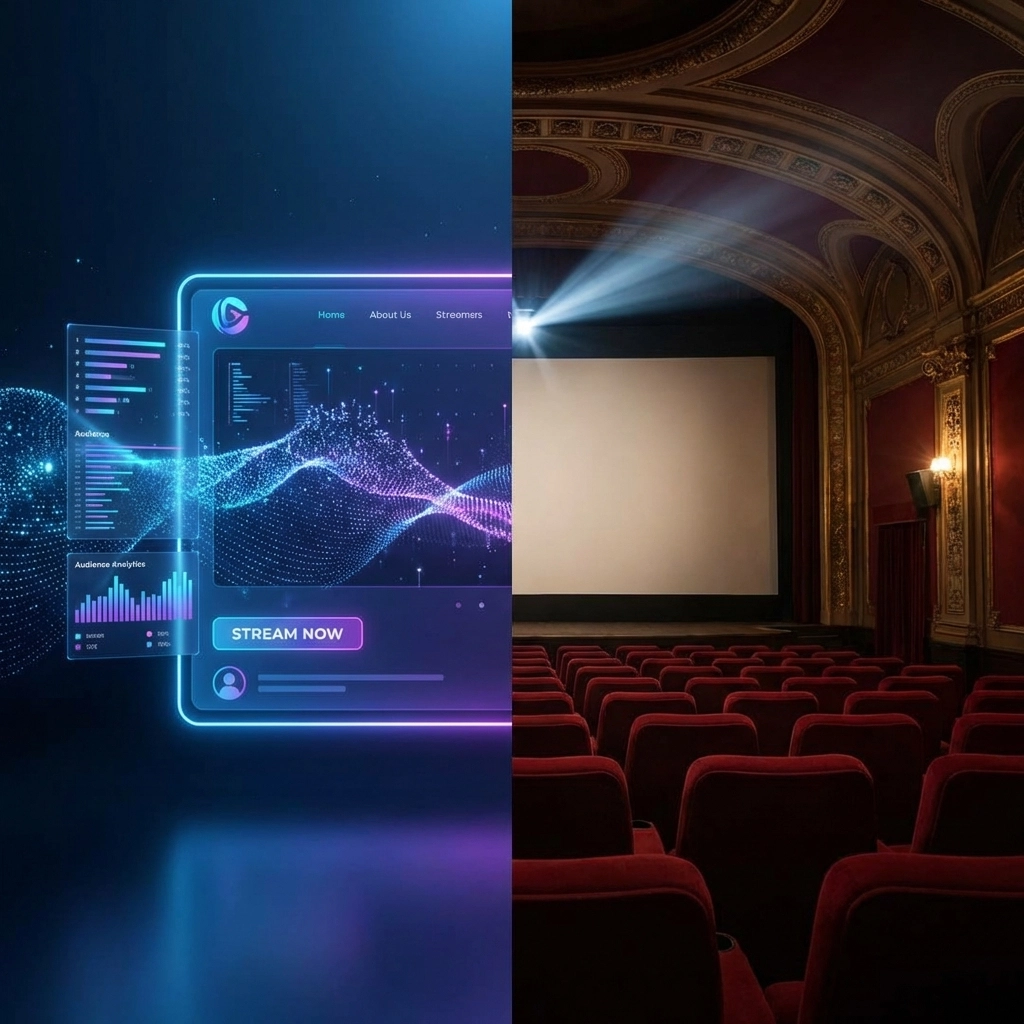
Netflix and Amazon Prime Video aren't just buying documentaries; they're building their brand identities around them. When a platform can use rich audience data to recommend your documentary to exactly the right viewer at the right moment, that's distribution power traditional routes simply can't match.
Traditional Distribution: The Uphill Battle
Traditional theatrical and broadcast distribution still exists, but let's be honest about what you're signing up for. You're competing for limited slots against massive marketing budgets, hoping for reviews that may never come, and banking on an audience that increasingly prefers watching from home.
The economics tell the story. Traditional distribution typically requires significant upfront marketing costs with uncertain returns. You might secure a limited theatrical run, but without major studio backing, you're often paying for the privilege of seeing your documentary in theaters that may be half-empty.
Broadcast television presents its own challenges. Programming slots are shrinking, audience attention is fragmented, and the gatekeepers are fewer but more risk-averse than ever. Getting a "yes" doesn't guarantee success: it just gets you into a crowded lineup competing for viewers who might be scrolling their phones instead of watching.
The Financial Reality
Here's where the numbers get interesting. Educational streaming documentaries show 45% higher lifetime value compared to entertainment-only models. But the real game-changer is what researchers call "dual-windowing": licensing simultaneously to both consumer streaming platforms and educational institutions.
Producers using this dual approach achieve profitability 14 months faster than traditional theatrical-first models. That's not marginal improvement; that's a fundamental advantage that can determine whether your next project gets greenlit.
The reason? Streaming platforms pay for content upfront or through revenue-sharing models that start generating income immediately. Educational institutions provide steady, renewable licensing fees. Traditional distribution often means waiting months or years for meaningful revenue while covering ongoing marketing and distribution costs.
The Emerging Opportunities
The streaming landscape isn't just about the big players anymore. AVOD (Ad-supported Video on Demand) and FAST (Free Ad-supported Streaming Television) platforms are creating new revenue streams that didn't exist in traditional models.
Some creators are bypassing social media entirely, going directly to these platforms to reach audiences hungry for documentary content. The barrier to entry is lower, the audience targeting is more sophisticated, and the revenue potential often exceeds what traditional distribution could offer.
There's also the micro-episode phenomenon: 2 to 5-minute vertical segments that allow documentaries to adapt to fragmented viewing patterns. This isn't about dumbing down content; it's about meeting audiences where they are and how they want to consume information.

Interactive and educational integration is transforming documentaries into what some call "Infinite Learning Slates": content that serves both entertainment and educational purposes, justifying higher institutional licensing fees while maintaining mass appeal.
The Strategic Sweet Spot
Here's what most distribution discussions miss: you don't have to choose just one path. The most successful documentary strategies in 2026 combine streaming reach with educational revenue stability.
Think of it as architecting your documentary for multiple use cases from the beginning. Can your content integrate into curricula? Does it address topics that educational institutions actively seek? Can you structure it for both binge-watching and classroom viewing?
When you design with this dual purpose in mind, you access both the scale of streaming audiences and the reliable, renewable revenue of institutional licensing. It's not about compromising your vision: it's about maximizing its impact and sustainability.
What Actually Matters for Your Decision
ROI and impact aren't always the same thing, but they don't have to be opposing forces. Streaming distribution typically delivers faster, more predictable returns. Traditional distribution might offer prestige and potential for larger cultural conversations, but at significantly higher risk and cost.

Consider your goals honestly. If you need immediate revenue to fund your next project, streaming's faster payback cycle matters. If you're building a long-term brand as a documentary filmmaker, the sustained engagement possible through educational licensing could be more valuable than a brief theatrical moment.
The audience also shapes the decision. Documentaries addressing social issues, historical events, or scientific topics often perform exceptionally well in educational markets while maintaining strong streaming appeal. Personal stories and cultural documentaries might find their primary audience through streaming platforms that can target specific demographic and psychographic segments.
The 2026 Playbook
The winning strategy isn't traditional versus streaming: it's building a distribution approach that leverages streaming's advantages while capturing additional revenue streams that traditional models can't access.
Start with streaming to establish audience base and generate initial revenue. Simultaneously develop educational partnerships that provide stable, long-term income. Use the data and audience insights from streaming to inform future projects and marketing strategies.
This approach acknowledges that distribution isn't just about getting your documentary seen: it's about building a sustainable model for continued documentary creation. The filmmakers succeeding in 2026 treat distribution as an integrated part of their creative and business strategy, not an afterthought.
The streaming wars aren't just reshaping how people watch content: they're creating opportunities for documentary filmmakers that simply didn't exist in traditional models. The question isn't which side will win, but how effectively you can position your work to benefit from this fundamental shift in media consumption.
Your documentary deserves an audience. In 2026, streaming platforms provide the most direct path to that audience, with financial models that support rather than gamble with your creative future.
Comments