
How We Transformed Hospital Communications: MSR Pictures' Lessons From the Field

Let's be honest, when you think of hospital videos, you probably imagine sterile hallways, generic stock footage of smiling nurses, and elevator music that makes you want to check your phone. We get it. Healthcare communications have earned their reputation for being, well, a little boring.
But here's the thing: hospitals aren't boring. They're places where lives change, where families come together during their most vulnerable moments, and where dedicated professionals show up every single day to make a difference. The stories are already there, they just need someone to tell them right.
That's exactly what we've been doing at MSR Pictures. Over the years, we've partnered with healthcare organizations across the Northeast to flip the script on traditional hospital communications. And along the way, we've learned some pretty valuable lessons about what actually works when you're trying to connect with real people.
The Problem With "Safe" Healthcare Video
Before we dive into our work, let's talk about why so much healthcare content falls flat.
Most organizations play it safe. They stick to talking heads in conference rooms, generic B-roll of equipment, and messaging that sounds like it was written by committee (because it probably was). The result? Content that checks all the boxes but doesn't move anyone.
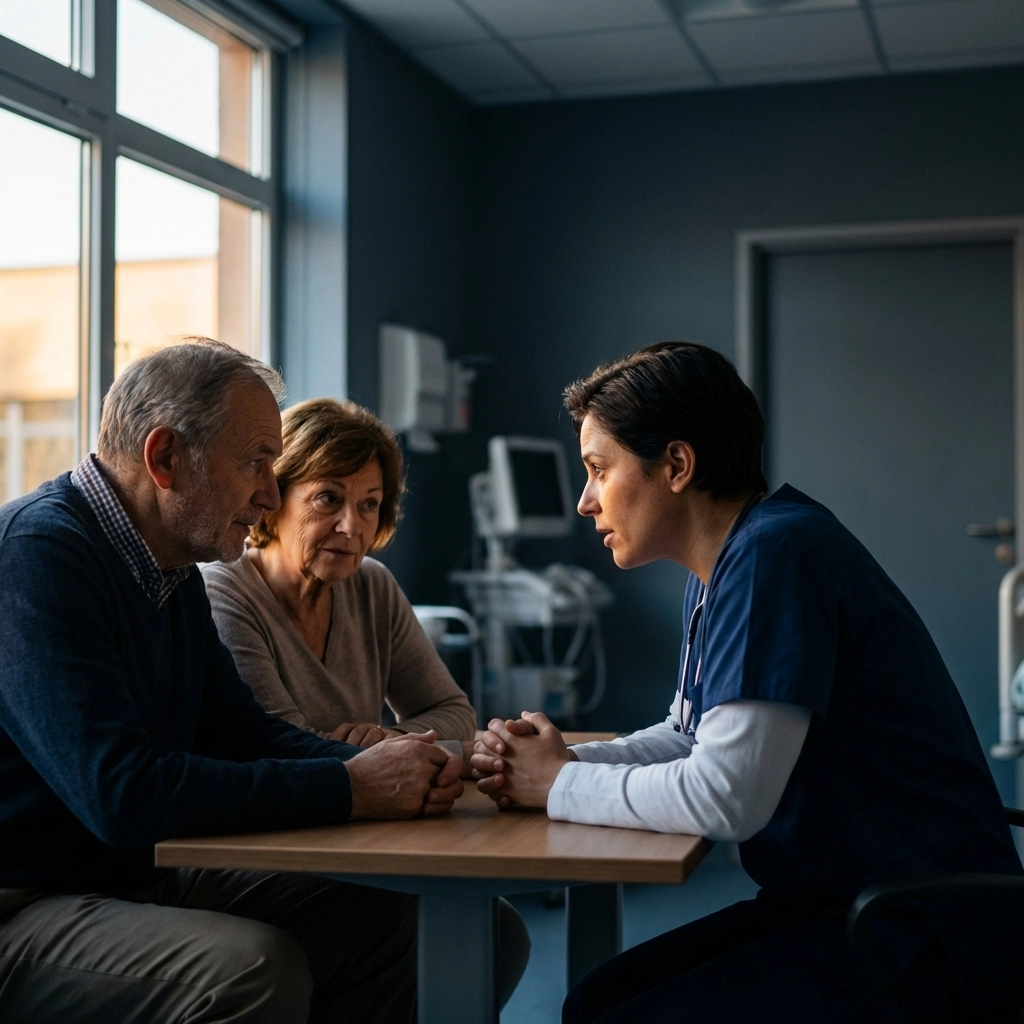
Here's what we've discovered after years in the field: people don't connect with institutions, they connect with people. A hospital isn't a building or a logo. It's the nurse who held your hand during a scary procedure. It's the surgeon who took extra time to explain everything to your worried family. It's the receptionist who remembered your name.
When healthcare organizations let us tell those human stories, magic happens.

Inside Our Healthcare Partnerships
Phelps Medical: Finding the Heart of Community Care
When we started working with Phelps Medical, they had a challenge that many regional hospitals face: how do you stand out in a crowded healthcare market while staying true to your community roots?
Our approach wasn't to make them look bigger or flashier than they are. Instead, we doubled down on what makes them special, their deep connection to the community they serve. We captured real moments between caregivers and patients (with permission, of course). We let staff members share why they chose to work at a community hospital instead of a major medical center.
The response was immediate. Viewers saw themselves in these stories. They recognized their neighbors, their town, their values. That's not something you can fake with fancy graphics or drone shots.
Holy Name Hospital: Showcasing Excellence Without the Corporate Feel
Holy Name Hospital came to us wanting to highlight their specialized services and medical expertise. The temptation in these situations is to go full "corporate medical center", lots of impressive statistics, cutting-edge equipment shots, and physicians in white coats looking serious.
We took a different route.
Yes, we showcased their technology and expertise. But we wrapped it in stories of real patients whose lives were changed. We let doctors speak naturally about why they're passionate about their specialties: not from a script, but from the heart. We showed the small moments of care that patients remember long after they've healed.
The result was content that communicated excellence while feeling warm and approachable. That's a tough balance to strike, but it's exactly what modern healthcare audiences are looking for.
Mildred Elley: Education Meets Compassion
Our work with Mildred Elley reminded us that healthcare storytelling extends beyond hospitals themselves. This career training institution prepares the next generation of healthcare workers, and their story deserved to be told with the same care and authenticity.
We focused on the journey: students discovering their calling, instructors passing on hard-earned wisdom, graduates stepping into roles where they'd make real differences in patients' lives. It's aspirational content grounded in reality, and it resonates because it's true.
When a PSA Goes Viral: The NY Department of Health Project
Sometimes a project exceeds every expectation. Our work with the New York Department of Health is one of those stories we still can't quite believe.
The brief was straightforward: create a public service announcement that would actually reach people. Anyone who's worked in public health communications knows that's easier said than done. PSAs are everywhere, and most of them get scrolled past without a second thought.
We knew we needed to do something different. We needed to make people stop, watch, and actually absorb the message. That meant taking some creative risks and trusting that authentic storytelling would cut through the noise.
It worked. The PSA didn't just reach its target audience: it spread organically across platforms, sparked conversations, and achieved the kind of viral impact that marketing departments dream about. Not because we had a massive budget or celebrity endorsements, but because we told a story that resonated on a human level.
What We've Learned: Tips for Businesses Looking to Humanize Their Brand
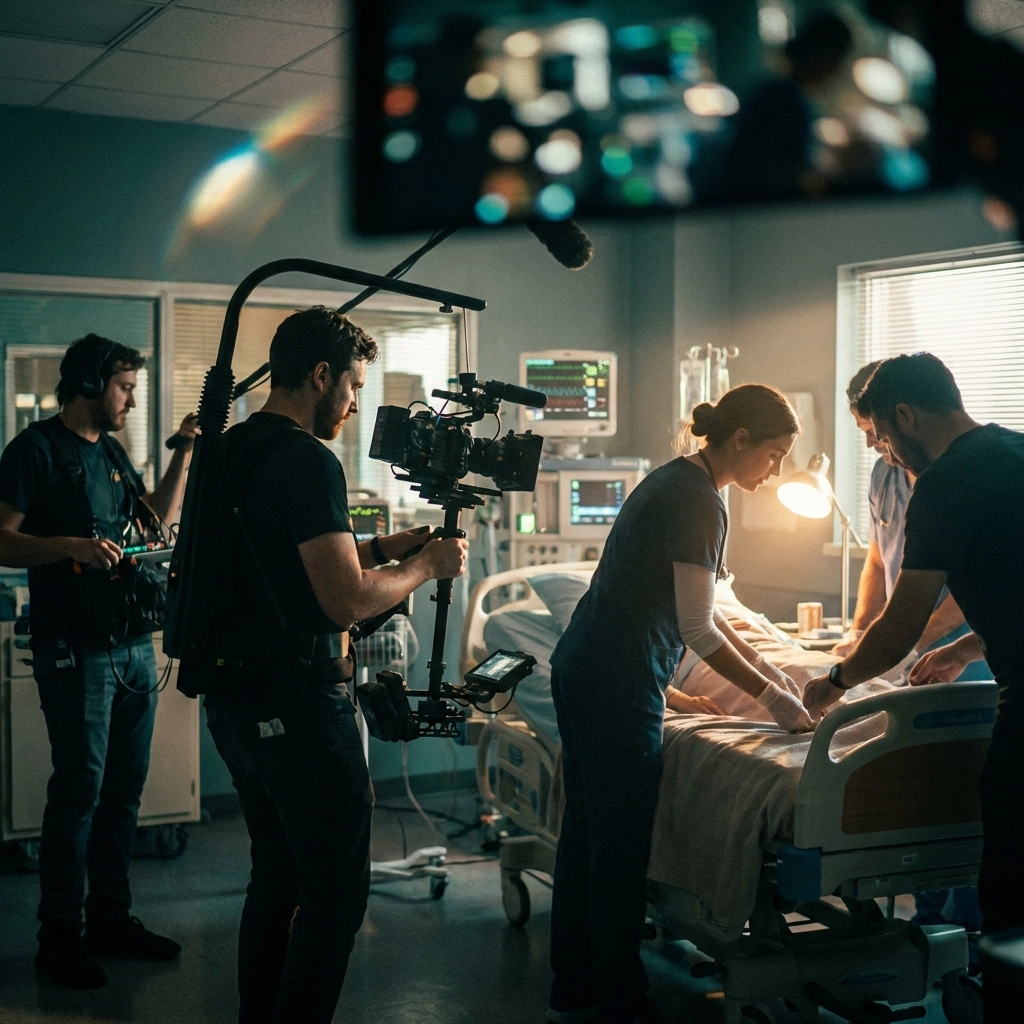
After years of working in healthcare communications (and plenty of other industries), we've distilled our approach into a few core principles. These apply whether you're a hospital, a small business, or anything in between.
1. Lead With People, Not Products
Your services matter, but your people are what make you different. Every organization has dedicated individuals with compelling stories. Find them. Let them speak. Your audience will remember a face and a story long after they've forgotten your service menu.
2. Authentic Beats Polished Every Time
We're not saying production quality doesn't matter: it absolutely does. But there's a difference between professional and sterile. Some of our most effective healthcare content includes moments of genuine emotion, unscripted laughter, or small imperfections that remind viewers they're watching real humans.
3. Know Your "Why" Before You Pick Up a Camera
The best video content starts with a clear understanding of purpose. Are you trying to build trust? Educate? Inspire action? The answer shapes everything from who we interview to how we edit. Without that clarity, even beautifully shot footage falls flat.
4. Community Connection Is Your Superpower
Especially for regional businesses and healthcare organizations, your local roots are a massive advantage. Big national competitors can't replicate your history in the community, your relationships, or your understanding of local needs. Lean into that.

The Bottom Line: Video That Actually Connects
Healthcare is personal. Education is personal. Whatever industry you're in, the relationships you build with your community are personal. Your video content should reflect that.
At MSR Pictures, we've seen firsthand what happens when organizations trust us to tell their real stories. Engagement goes up. Trust deepens. Brands that felt distant suddenly feel like neighbors.
If you're tired of content that checks boxes but doesn't move people, we should talk. We'd love to hear your story and figure out how to share it with the world.
Check out more of our work in our portfolio, or reach out directly to start a conversation. We're always excited to meet organizations ready to tell their story differently.
Because here's what we believe: every organization has a story worth telling. The question is whether you're willing to tell it honestly.
Comments