
Virtual Production vs. Traditional Film Sets: Which Workflow Wins in 2026?

If you've been anywhere near the film industry lately, you've probably heard the buzz about virtual production. LED walls, Unreal Engine, real-time rendering, it sounds like something out of a sci-fi movie. But here's the thing: traditional film sets aren't going anywhere either.
So which workflow actually wins in 2026? The honest answer is... it depends. But don't worry, we're going to break it all down so you can figure out what's right for your next project.
What Exactly Is Virtual Production?
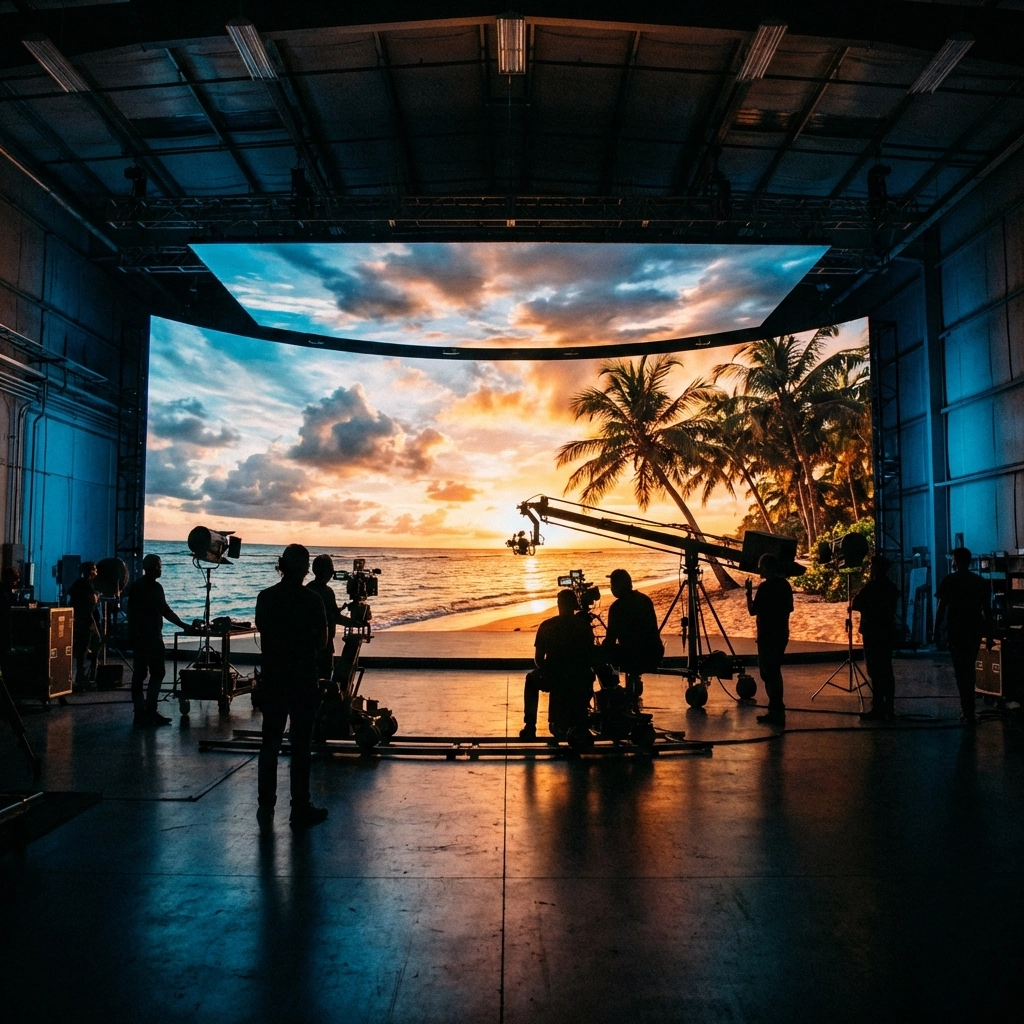
Let's start with the basics. Virtual production uses massive LED screens (called LED volumes) to display computer-generated environments in real-time. Instead of filming against a green screen and adding backgrounds later, actors perform in front of photorealistic digital worlds that react to camera movement.
Think of it like this: you're shooting a scene set on a beach in Bali, but you're actually standing in a warehouse in New Jersey. The LED wall behind your actors shows the beach, complete with moving waves, shifting sunlight, and swaying palm trees. The camera captures it all in-camera, meaning what you see on set is pretty much what ends up in the final product.
Unreal Engine (the same technology powering video games) drives most of these virtual environments, and remote collaboration tools let teams work together from anywhere in the world.
Traditional Film Sets: The Tried and True Approach
On the flip side, traditional filmmaking does exactly what it sounds like, you build physical sets, travel to real locations, and capture everything the old-fashioned way.
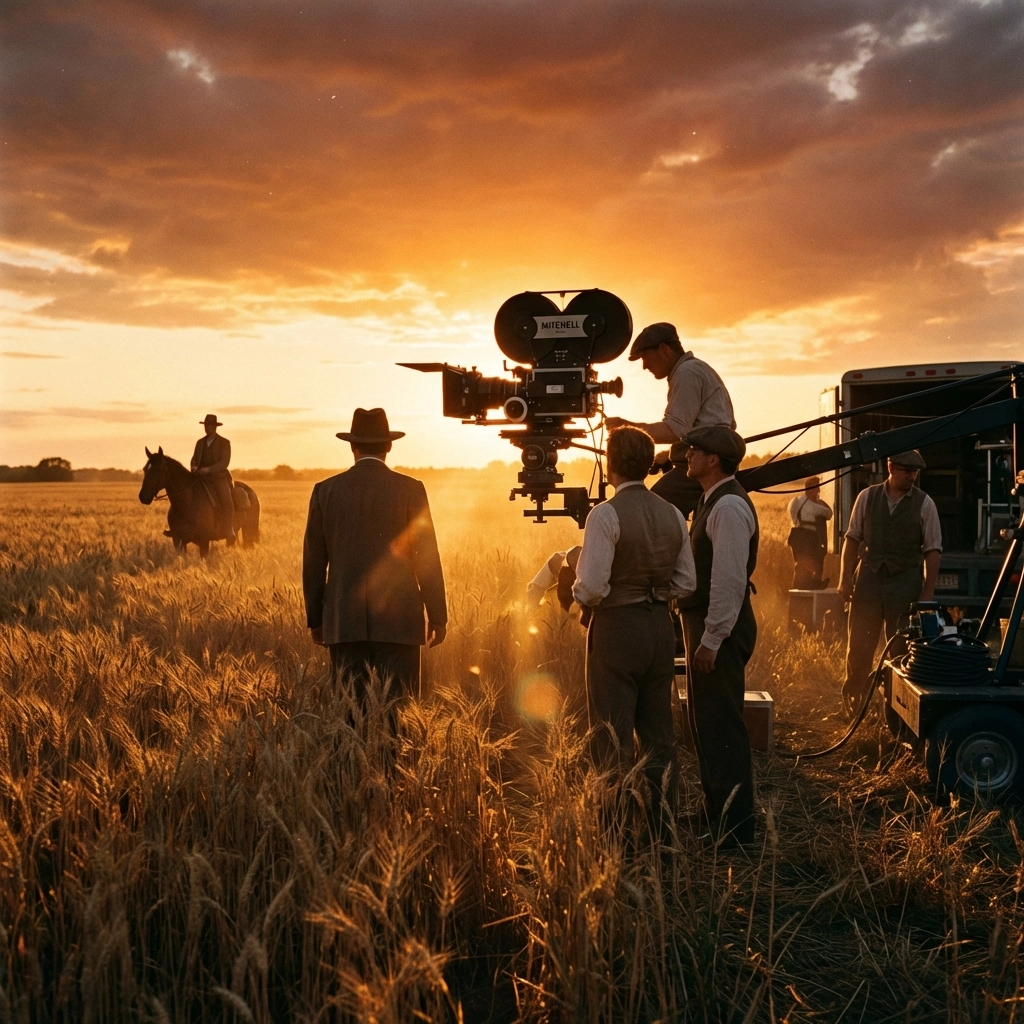
There's a reason this approach has been the gold standard for over a century. Real sunlight hitting real surfaces creates a look that's incredibly hard to replicate digitally. Actors can touch, feel, and interact with their environment. And sometimes, the unpredictability of a real location gives you magic you couldn't have planned.
Where Virtual Production Shines
Let's talk about where virtual production really earns its keep.
Speed and Efficiency
One of the biggest wins for virtual production is how much time it saves in post-production. When your backgrounds and lighting are captured in-camera, you're not spending months (and a small fortune) on visual effects work later. For productions with tight deadlines, this can be a game-changer.
Creative Control and Flexibility
Need to reshoot a sunset scene? On a traditional set, you'd have to wait for the right weather conditions or rebuild expensive sets. With virtual production, you can dial up that golden hour look whenever you want. You can even tweak the entire environment between takes.
This flexibility extends to creative experimentation too. Want to see how a scene looks in a different location? Change it in real-time. It's like having an unlimited location scout in your back pocket.
Cost Predictability
Here's something that doesn't get talked about enough: virtual production can actually save money on complex projects. No location permits. No travel costs for cast and crew. No weather delays that blow your schedule apart.
Yes, the upfront cost of booking an LED volume stage is significant. But when you factor in everything you're not paying for: flights, hotels, location fees, extended post-production: the math often works out in your favor for certain types of projects.
Environmental Impact
If sustainability matters to your production (and it should), virtual production has a smaller carbon footprint than traditional methods. Less travel, less physical construction, less waste. It's not perfect, but it's a step in the right direction.
Where Traditional Filmmaking Still Wins
Virtual production is impressive, but it's not the right tool for every job. Here's where traditional methods still have the edge.
Authenticity and Tactile Realism
There's something about real locations that just feels different on screen. The way light bounces off actual surfaces, the ambient sounds of a real environment, the textures and imperfections: these details add up to create an authenticity that's hard to fake.
For documentaries especially, this is crucial. You're trying to capture real life, and that's pretty hard to do on a virtual stage.
Actor Performance
Some actors thrive in virtual environments. Others struggle to deliver their best work when surrounded by LED screens instead of real locations. When performers can physically interact with their surroundings: feel the wind, smell the ocean, walk on actual grass: their performances often feel more grounded and natural.
Spontaneity and Happy Accidents
Some of the best moments in film history happened by accident. A bird flying through the shot at just the right moment. Unexpected weather that added atmosphere to a scene. The way real environments surprise you in ways that planned digital worlds can't.
Traditional filmmaking leaves room for these spontaneous discoveries. Virtual production, by its nature, is more controlled: which is both its strength and its limitation.
Large-Scale Outdoor Scenes
LED volumes have physical constraints. They're getting bigger every year, but you still can't replicate the vastness of filming in an actual desert or on a real mountainside. When your story requires truly expansive outdoor scenes, traditional location shooting is often the only way to capture that sense of scale.
Making the Right Choice for Your Project Type
For Commercial Work
Commercials are often a sweet spot for virtual production. Tight timelines, controlled environments, and the need for polished visuals all play to VP's strengths. When you need to show a product in multiple locations without the expense of actually traveling, virtual production is a no-brainer.
For Documentary Filmmaking
This is where traditional approaches typically win. Documentaries thrive on authenticity and real-world interaction. You're capturing life as it happens, and that's hard to do when life is rendered in Unreal Engine.
That said, some documentary projects use virtual elements for recreations or explanatory sequences. It's all about knowing when to reach for which tool.
For Narrative Films
This depends heavily on your story. Science fiction, fantasy, and effects-heavy productions can benefit enormously from virtual production. Character-driven dramas set in real-world locations? Traditional filmmaking might serve you better.
The smartest productions in 2026 aren't choosing one or the other: they're blending both.
The Hybrid Approach: Best of Both Worlds
Here's what's really happening in the industry right now: filmmakers are mixing and matching.
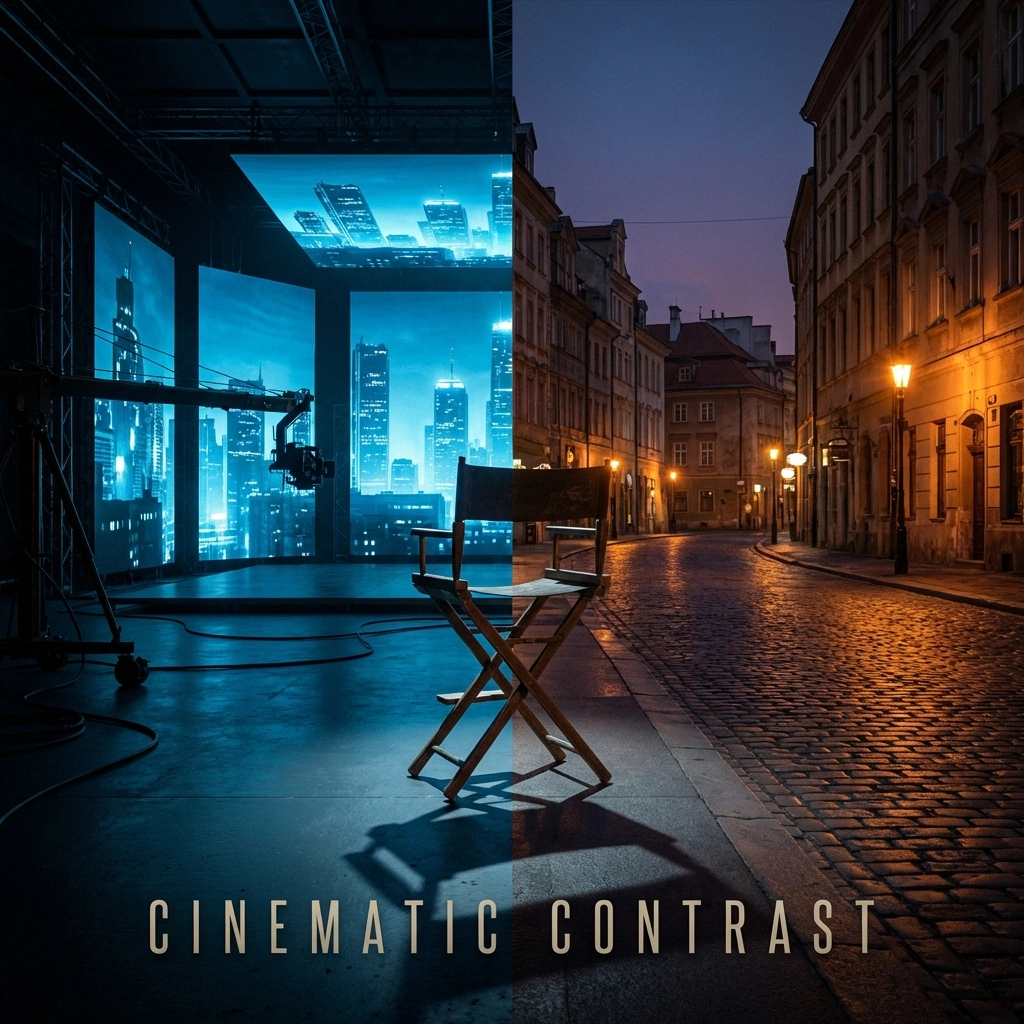
Maybe you shoot your exteriors on location but use virtual production for interior scenes. Maybe you capture real footage and extend it digitally. Maybe you film your actors against LED walls but bring in practical props and set pieces for them to interact with.
This hybrid approach lets you leverage the strengths of each method while minimizing their weaknesses. It requires more planning upfront, but the results speak for themselves.
Practical Tips for Making Your Decision
Still not sure which direction to go? Ask yourself these questions:
What's your budget structure? If you have more time than money, traditional might work. If you need to control costs and can invest upfront, virtual production could save you in the long run.
How important is location authenticity? If your story depends on real places and real moments, go traditional. If environment is more of a backdrop, virtual opens up possibilities.
What does your timeline look like? Tight post-production deadlines favor virtual production. More flexible schedules give you room to work traditionally.
What's right for your talent? Some performers adapt quickly to virtual environments. Others need the real thing. Know your cast.
The Bottom Line
There's no universal winner in the virtual production vs. traditional filmmaking debate: and honestly, that's a good thing. Having options means you can choose the right tool for each specific project.
The filmmakers who thrive in 2026 aren't the ones who pick a side and stick to it. They're the ones who understand both approaches deeply enough to make smart, project-specific decisions.
Whether you're leaning toward LED walls or location scouts, the most important thing is telling your story effectively. Everything else is just technique.
Curious about which approach might work for your next project? Check out our portfolio to see how we've tackled different production challenges, or get in touch to talk through your options.
Comments