
The Modular Shoot Framework: Turn One Production Day Into 15 Platform-Ready Videos

Here's a question we hear all the time: "We shot this awesome video, but now we need something for Instagram. And TikTok. And LinkedIn. Can you just... make it work?"
Sure. We can make it work. But here's the thing: by the time you're asking that question, you've already left money on the table.
At MSR Pictures, we've spent years figuring out how to flip that script. Instead of shooting one video and then trying to Frankenstein it into fifteen different formats, we plan for all fifteen before we ever press record. We call it the Modular Shoot Framework, and it's the difference between getting one deliverable from a production day and getting a content arsenal that fuels your brand for months.
The Traditional Shoot Problem (And Why It's Expensive)
Most video production follows a linear model: You plan one video. You shoot one video. You deliver one video. Done.
But then reality hits. Your social team needs vertical content. Your sales team wants a 30-second sizzle. Your email campaign could use a teaser. Suddenly, you're looking at reshoots, additional editing costs, or: worse: trying to crop a beautiful 16:9 shot into a vertical format where half your subject's face is missing.
Here's what actually happens: You end up with one great video that lives on your website, and a bunch of mediocre adaptations that don't really work anywhere else. You've paid for a full production day but only used about 20% of its potential value.
What Is the Modular Shoot Framework?
Think of it like this: Instead of building a single piece of furniture, we're creating a set of high-quality components that can be assembled into multiple pieces. Same raw materials, exponentially more value.
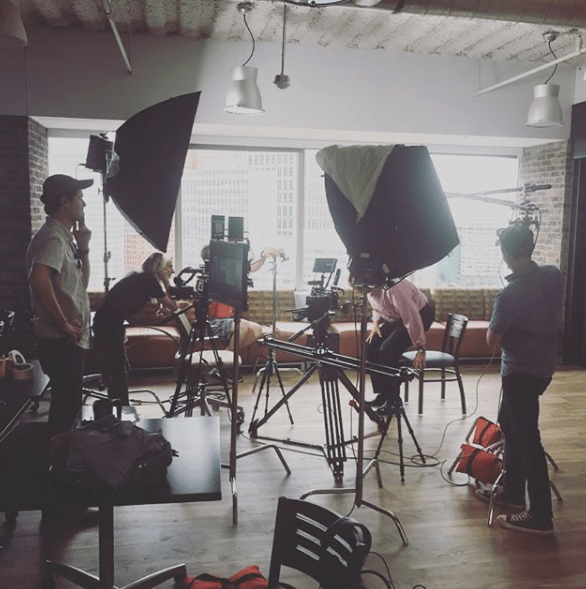
The Modular Shoot Framework is a production strategy where we batch-film multiple video assets in a single day by treating footage as reusable building blocks. Every shot, every setup, every interview bite is captured with an eye toward how it can be reconfigured for different platforms, audiences, and distribution channels.
We're not talking about watering down quality to maximize quantity. We're talking about strategic planning that respects both your budget and the unique requirements of each platform where your content will live.
How MSR's Framework Actually Works
The magic happens in pre-production. Before we even scout locations or charge a camera battery, we're mapping out your content ecosystem.
Step 1: Distribution-First Planning
We start by asking: Where does this content need to live? YouTube? Instagram Reels? LinkedIn? Your website hero section? A trade show booth? Email nurture sequences?
Each platform has different specs, different audience behaviors, and different storytelling conventions. YouTube viewers might watch a 3-minute story. Instagram users want 15-30 seconds of impact. LinkedIn audiences respond to behind-the-scenes authenticity.
Instead of fighting these differences, we embrace them from day one.
Step 2: Build the Shot List Around Modularity
Once we know where content is going, we reverse-engineer the production plan. Our shot lists are designed to capture:
Hero/anchor content: Your main piece: usually 1-3 minutes, horizontal format, the "full story"
Vertical variations: Specifically framed for 9:16 aspect ratio (not just cropped from horizontal)
Hook segments: Multiple opening lines, angles, and attention-grabbers we can A/B test
Isolated moments: Key soundbites, product demos, or emotional beats that work standalone
B-roll packages: Contextual footage that can support any narrative
Stills: High-res frames pulled during video capture for print, web, and social graphics
Step 3: Shoot with Flexibility
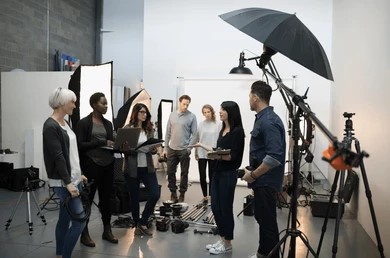
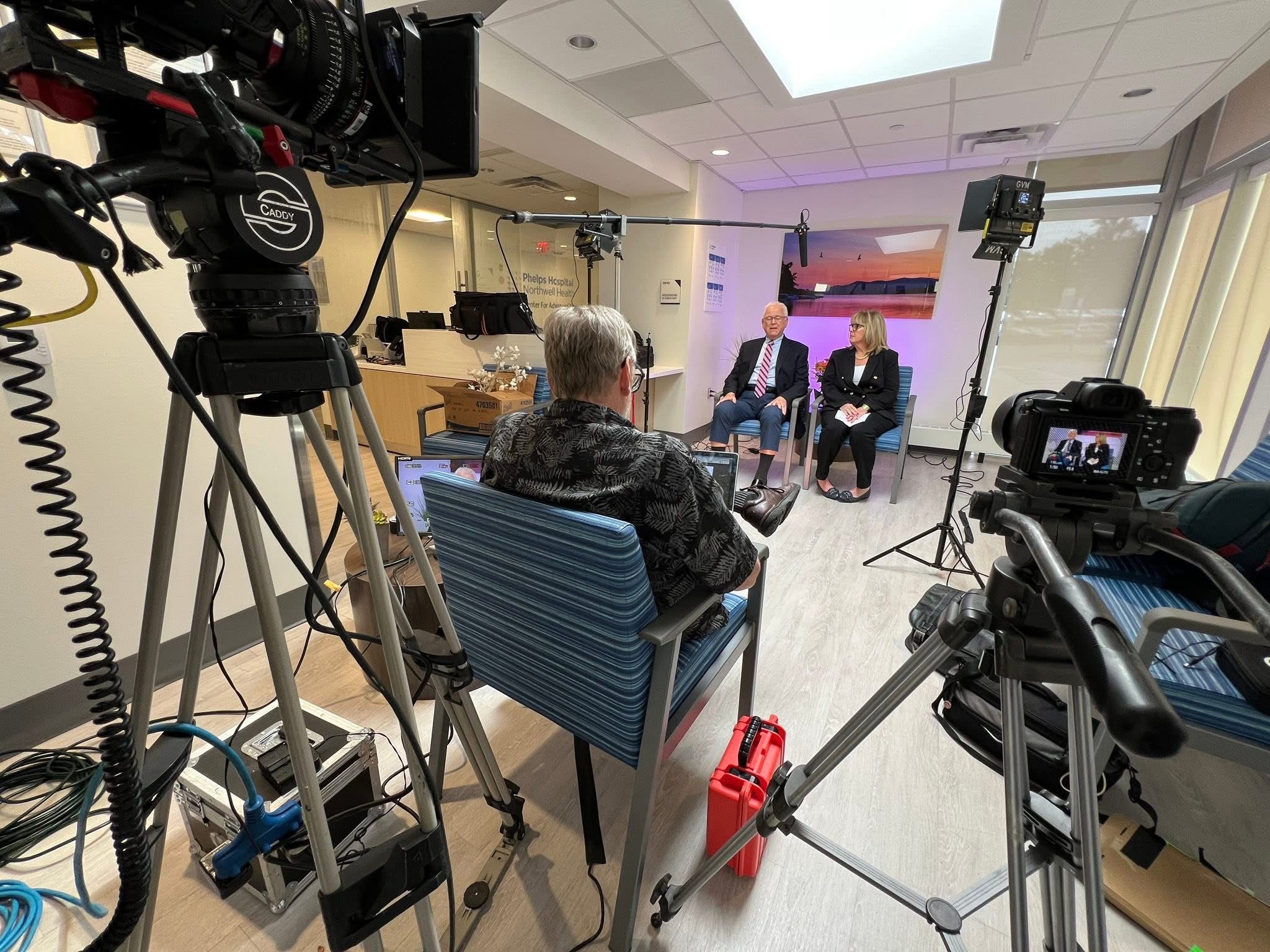
On production day, we're constantly thinking modularly. An interview setup might be captured with three different framings: a wide that shows environment, a medium close-up for the hero edit, and a tight close-up perfect for vertical platforms.
We'll record an executive delivering a key message three different ways: one formal for the main video, one conversational for social, and one ultra-punchy for a 15-second teaser. Same core message, but optimized for context.
This doesn't slow us down. In fact, productions using the modular mindset often wrap faster than traditional shoots because everyone knows exactly what we need and why.
The Components: What You Actually Get
Here's what a typical modular shoot delivers for our clients:
1 Hero Film – Your flagship piece. Usually 90 seconds to 3 minutes, cinematic, tells the complete story. Lives on your website, plays at events, anchors campaigns.
3-5 Social Cuts – Platform-optimized versions (Instagram, TikTok, LinkedIn, Facebook). These aren't just trimmed versions of the hero: they're resequenced with different hooks and pacing for shorter attention spans.
8-12 Vertical Clips – Short-form content (15-60 seconds) specifically shot and edited for Stories, Reels, and Shorts. Properly framed, not just cropped.
Teaser/Trailer – A 15-30 second appetizer that drives traffic to the hero film or a landing page.
B-Roll Package – Contextual footage your team can use for future projects, presentations, or additional edits.
Still Images – High-resolution frames for web, print, social thumbnails, and ads.
That's 15+ deliverables from one production day. Same crew. Same budget. Exponentially more reach.
The ROI Conversation
Let's talk numbers for a second.
A traditional video shoot might cost $5,000-$15,000 and deliver one finished video. If you later realize you need social content, you're either paying for additional editing (another $2,000-$5,000) or booking a second shoot day.
With the Modular Shoot Framework, that same $5,000-$15,000 investment delivers 15+ platform-ready assets from day one. You're not paying more: you're planning smarter.
But the real ROI isn't just about cost per deliverable. It's about:
Agility: You have a library of assets ready to deploy when opportunities arise
Testing: Multiple variations let you A/B test what resonates with your audience
Longevity: Content that works across platforms has a longer shelf life
One client recently told us they got six months of social content from a single modular shoot day. That's not just efficient: that's transformative for a small marketing team.
Why This Works in 2026
The media landscape has fragmented. Your audience isn't just on one platform: they're everywhere, consuming content in wildly different ways.
The brands winning right now aren't the ones creating one perfect video. They're the ones creating ecosystems of content that meet audiences where they are, in the format they prefer, at the moment they're ready to engage.
The Modular Shoot Framework isn't about doing more with less. It's about doing more with what you're already doing. It's about respecting your budget while maximizing your reach. And it's about thinking like a strategist, not just a filmmaker.
Let's Build Your Content Strategy
If you're tired of commissioning one-off videos that don't stretch across your entire marketing ecosystem, let's talk. We'd love to walk you through how the Modular Shoot Framework could work for your brand, your budget, and your goals.
Whether you're launching a product, telling your company story, or building a content library that'll fuel your channels for months, we'll help you think distribution-first and shoot smarter.
Reach out to MSR Pictures and let's start planning your next production day: the one that doesn't just give you a video, but gives you a complete content arsenal.
Comments