
Vengeance from the Grave: The Making of Our Horror Short, Jogger

Let’s clear something up right away: Jogger isn’t a quiet little “man vs. himself” drama. It’s a horror short—cinematic, mean, and built to keep your pulse up.
At the center of it is Julie. She’s dead, she’s furious, and she’s not here for closure. She’s here for vengeance.
And the guy on the receiving end? Charlie. The killer. The target. The one who thought he got away with it.
This post is the making-of: how we took a handful of locations (a misty forest, a creepy bus, a bedroom, and an old stone wall) and turned them into a high-end horror experience on an indie reality.
The Plot (AKA: What’s Coming for Charlie)
Julie’s ghost returns with one mission: haunt Charlie until the truth—and the punishment—can’t be avoided.
We wrote the story to feel like a chase even when nobody is moving. Charlie’s life becomes a pressure cooker. The air gets heavier. The quiet gets louder. And Julie starts showing up in ways that don’t make sense until it’s way too late.
The fun part was keeping the audience one step behind Julie. You don’t fully understand her rules until she’s already broken yours.
Tone: High-Stakes Horror, Not “Boo!” Horror
We wanted Jogger to feel intense and relentless—less “jump-scare playlist,” more “this situation is spiraling and you can’t stop it.”
That meant:
Fast escalation (Charlie’s denial doesn’t last long)
Strong visual dread (frames that feel trapped, corners that feel occupied)
A cinematic push (moody contrast, controlled camera movement, and purposeful darkness)
The goal was simple: make the film look expensive, even when it absolutely wasn’t.
Visuals: Mist, Bruises, and a Bus That Feels Wrong
The horror in Jogger lives in the places you can’t quite see.
The misty forest
The forest scenes became our nightmare engine. The fog gave us instant atmosphere and depth, and the trees did what trees do best: turn every direction into a question mark.
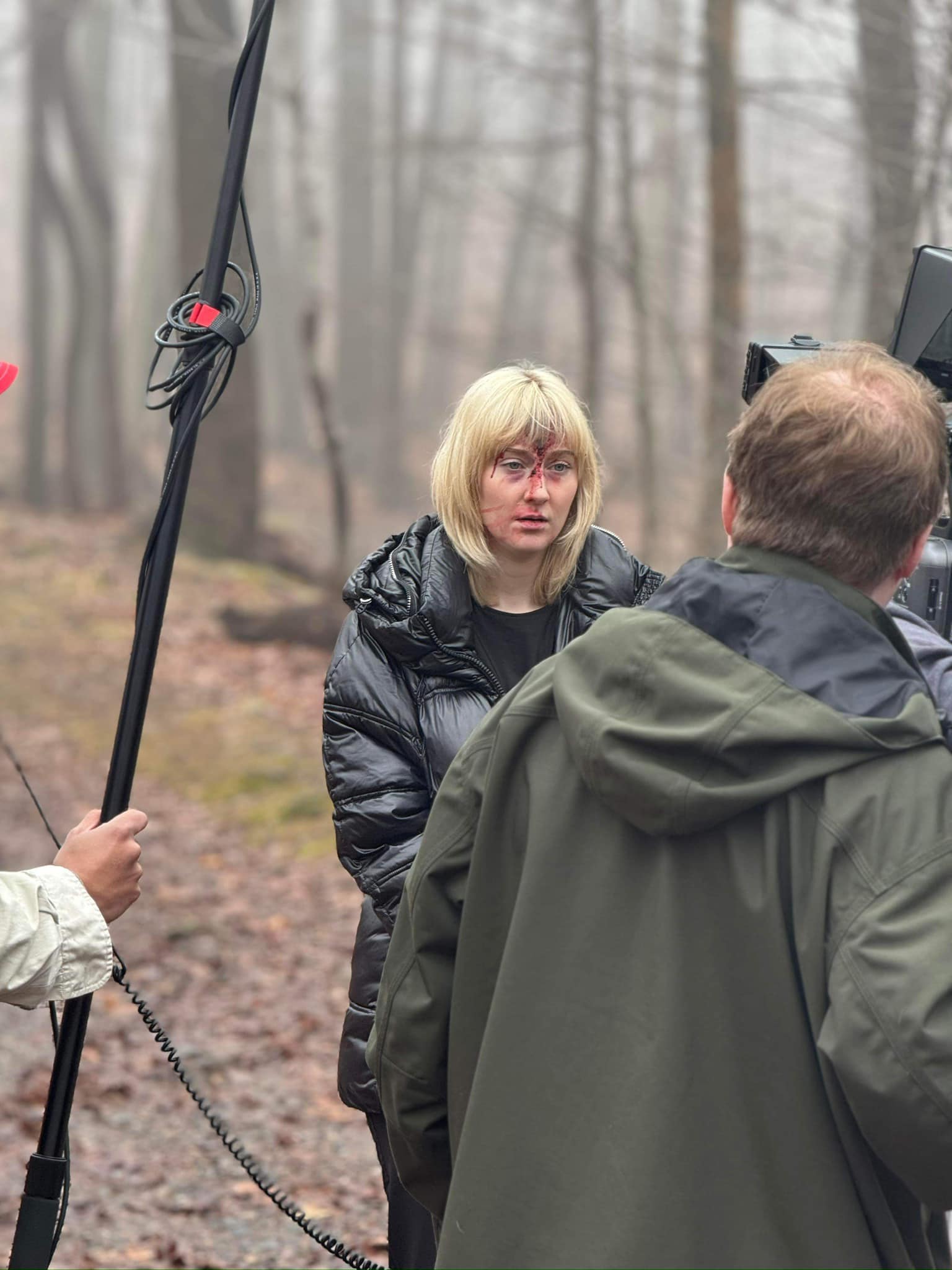
We shot the forest like it was a character—watching, waiting, closing in. It’s where Julie feels closest, and where Charlie feels the most hunted.
The bedroom injury / makeup work
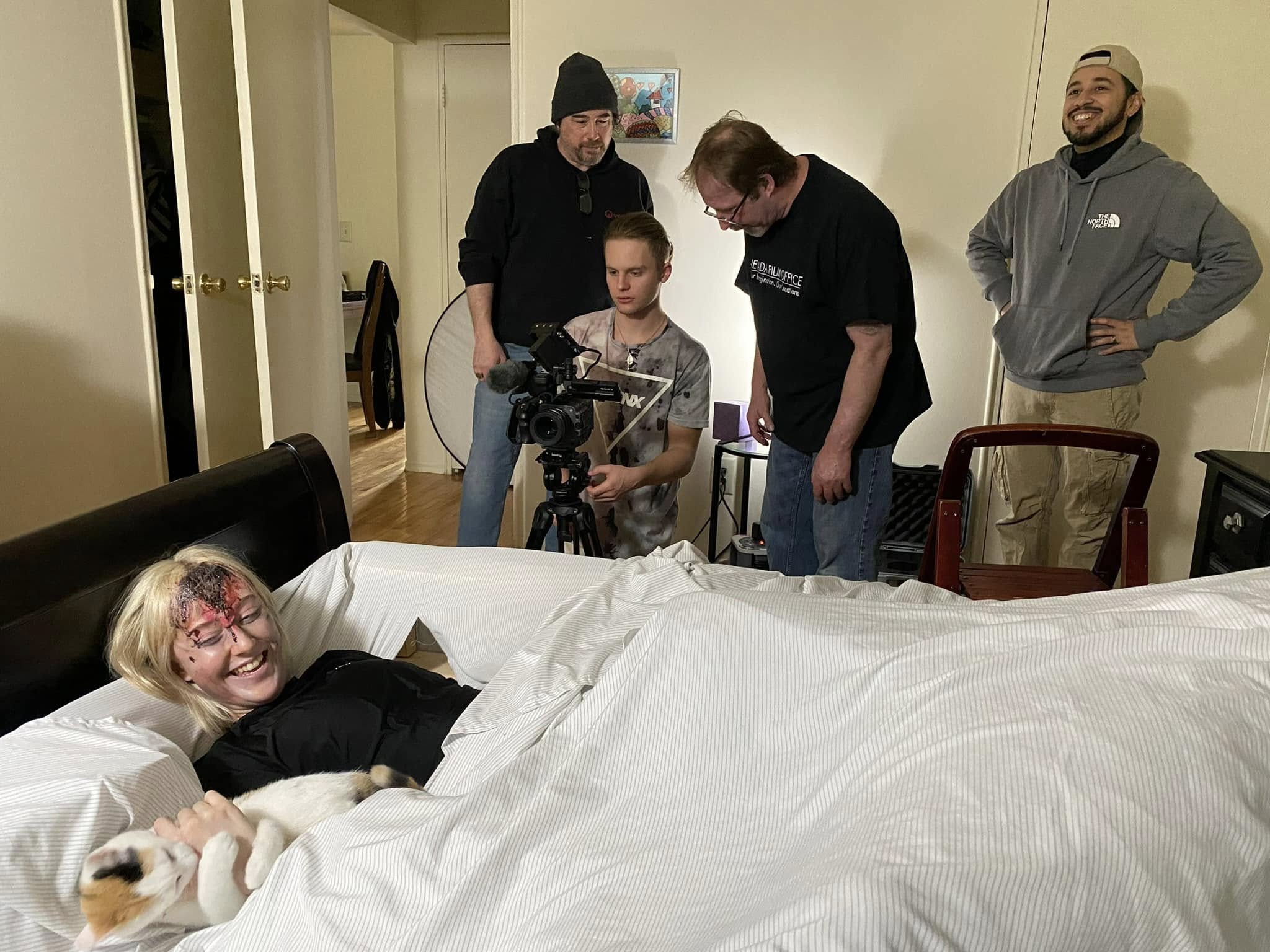
If the forest is dread, the bedroom is impact.
We leaned into visceral, practical horror—injury makeup that reads on camera and makes you uncomfortable in the best way. It’s personal. It’s in your face. It’s the moment where “ghost story” turns into “oh no, this is happening.”
The school bus setting
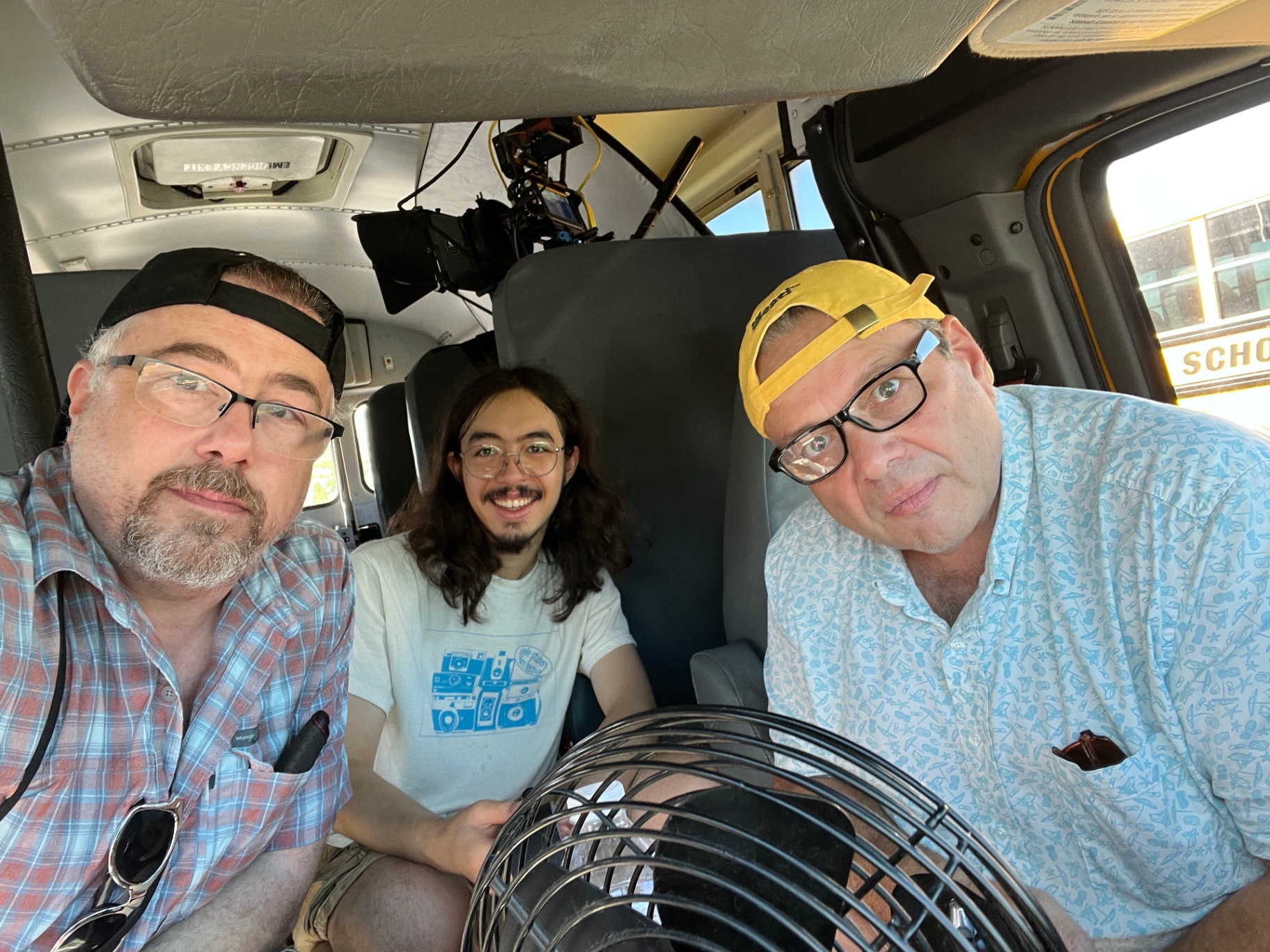
The bus scenes were all about unnatural stillness. A school bus is supposed to feel loud and alive. Ours feels abandoned—like the air has been sitting there for years.
And from a filmmaking standpoint? It’s a gorgeous little horror box: tight aisles, long sightlines, and nowhere to hide.
The green tarp sequence (yes, it’s as scrappy as it sounds)
This was one of those “make it work” setups where blocking, performance, and camera placement did the heavy lifting.
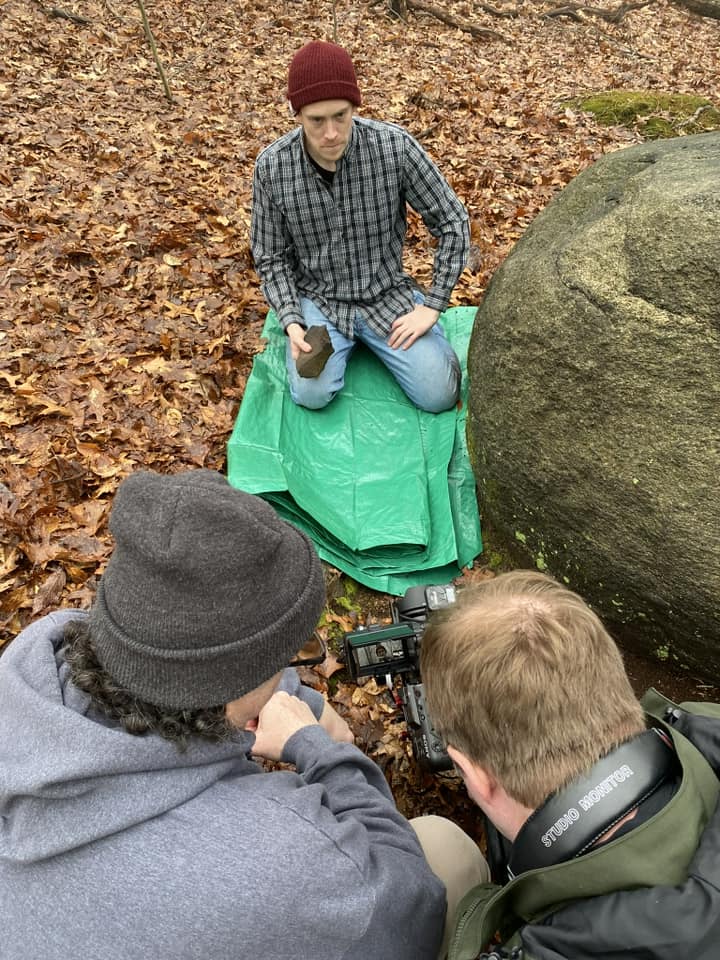
It’s not glamorous, but it’s real indie filmmaking: you pick a spot, control what you can, and build tension with composition and timing.
Resourcefulness: Turning “What We Have” into “It Looks Huge”
We didn’t have a studio build. We didn’t have a massive lighting truck. We had a plan, a small crew, and a commitment to making every location do double duty.
The stone wall became a visual anchor—old, cold, and permanent. It’s the kind of texture horror loves because it feels like history.
The forest gave us production value for free. Fog + trees + controlled framing = instant cinematic dread.
The bus gave us a contained set with built-in geometry (and free suspense).
The bedroom let us go close, intimate, and brutal with practical effects.
And yeah, we moved fast. Four days, lean crew, tight schedule. But when you’re making horror, limitations can actually help—because the genre already thrives on what you don’t show.
Character: Julie vs. Charlie
Julie isn’t a prop ghost. She’s the point.
We built her presence around intent: when she appears, it’s not random. It’s a decision. She’s controlling the pace, the fear, and the punishment.
Charlie, on the other hand, is a guy who thinks the past is buried. The film is basically watching him realize—scene by scene—that Julie didn’t stay buried.
The best horror characters don’t “run into danger” because they’re dumb. They run into danger because they’re cornered. That’s Charlie. And Julie is the corner.
Post: Where the Horror Really Locks In
Indie truth: you write the movie, you shoot the movie, and then you find the horror in the edit.
We shaped the tension with:
rhythm (letting moments hang just long enough to feel wrong)
sound design (breath, fabric, footsteps, and silence that feels aggressive)
contrast and shadow (keeping frames dimensional, not flat)
When the visuals are moody and the sound is surgical, you can make a small film feel massive.
What We Learned (And Why We’d Do It Again)
Jogger was a reminder that you don’t need a Hollywood budget to make horror hit hard. You need a clear target, a strong visual plan, and a team that’s willing to get scrappy without getting sloppy.
Julie’s vengeance demanded a film with teeth—and we made sure it had them.
Want MSR Pictures LLC to bring this same cinematic, story-first approach to your next project? Let’s talk.
Comments