
Short-Form vs. Long-Form: Which Video Strategy Actually Converts for Social Media Advertising in 2026?

The video marketing landscape has never been more divided: or more confusing. On one side, you've got TikTok creators going viral with 15-second clips. On the other, YouTube educators are building empires with hour-long deep dives. So where should your brand put its money and effort in 2026?
The short answer? It depends on what you're actually trying to achieve. But here's the longer, more useful answer: the data reveals some fascinating patterns about what works, when, and why.
The Current State of Video Marketing in 2026
Let's start with the numbers that matter. This year, 21% of marketers report that short-form videos deliver the highest ROI of any content format. That's not a small edge: it's a significant lead over other content types.
But here's where it gets interesting: while short-form dominates for return on investment, videos between 30 and 60 minutes actually convert viewers at the highest rates. It's like comparing a sports car to a freight train: one gets you there fast, the other carries more cargo.
The key is understanding that "conversion" means different things depending on your goals. Are you trying to build brand awareness? Drive immediate sales? Generate qualified leads? Your video length strategy should align with these objectives.
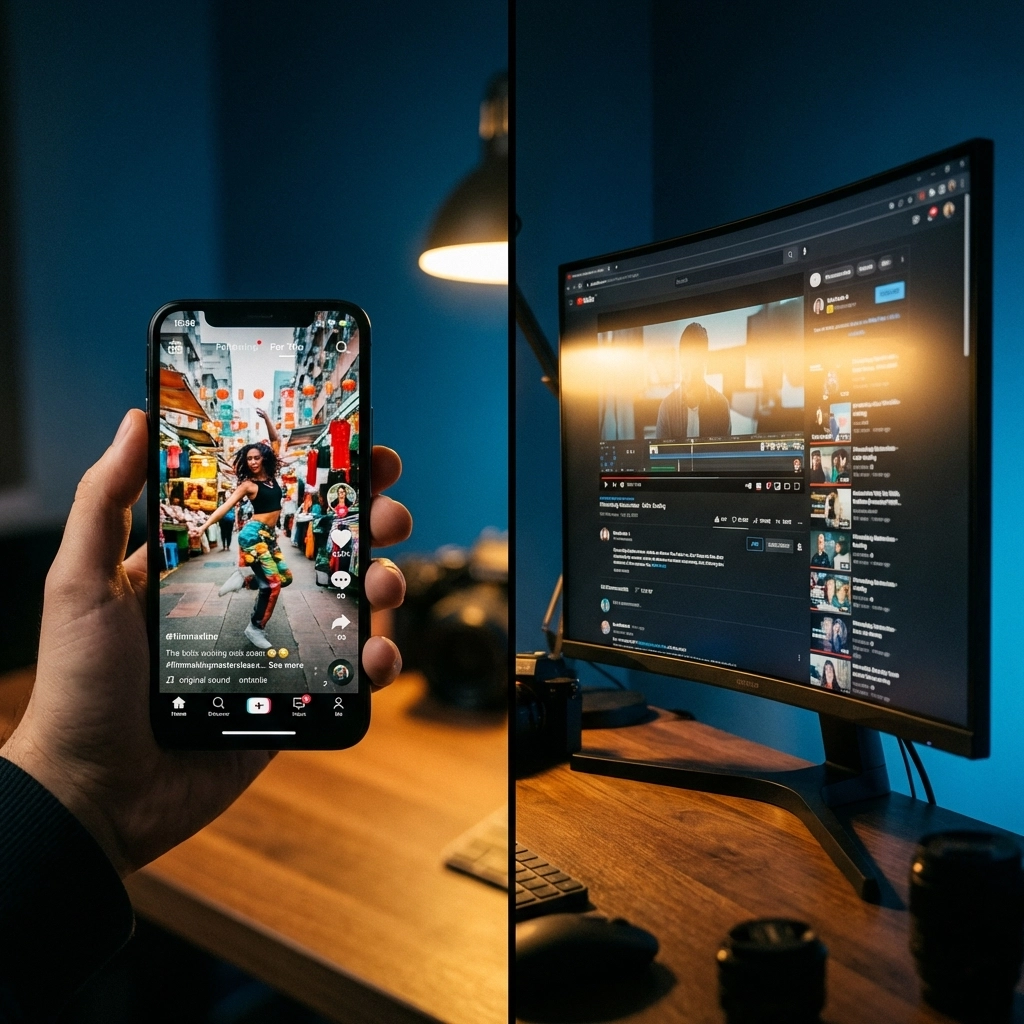
Short-Form Video: The Engagement Champion
When we talk about short-form video performance, the numbers are pretty compelling. Videos under two minutes achieve completion rates of around 65%: meaning most people who start watching actually finish them. Compare that to longer content where drop-off rates climb steadily after the two-minute mark.
Here's what makes short-form video so effective for brands right now:
Platform Algorithms Love Them: YouTube Shorts achieved a 7.91% engagement rate in the first half of 2025, making it the highest-performing short-form video platform. Instagram Reels aren't far behind, with 57% of viewers discovering new brands through the feature.
Consumer Preferences Align: About 63% of consumers prefer short videos when learning about products or services. This isn't just about attention spans: it's about information consumption patterns. People want quick, digestible answers to their questions.
Cost-Effective Production: Short-form videos require fewer resources to produce well. You can create multiple pieces of content for the same budget as one long-form video, allowing for more testing and iteration.
The sweet spot? Most marketers (71%) report that videos in the 30 seconds to 2 minutes range perform best across platforms. This gives you enough time to tell a story without losing your audience.
Long-Form Video: The Conversion King
Now, before you go all-in on 30-second clips, consider this: long-form video has a secret weapon. While fewer people might watch your entire 20-minute video, the ones who do are significantly more likely to take action.
Here's why long-form video converts so well:
Audience Quality Over Quantity: People who watch a 30-60 minute video are demonstrating serious interest in your topic. They're not casual browsers: they're engaged prospects who are more likely to convert.
Lead Capture Opportunities: Lead capture forms placed at the end of 60+ minute videos achieve conversion rates of 65% among viewers who reach that point. Even forms placed in the third quarter of shorter videos (1-3 minutes) see 58% conversion rates.
Authority Building: Longer content positions you as an expert. It's hard to fake expertise for 20 minutes, so viewers trust brands that can deliver valuable content consistently over extended periods.
Educational Value: Complex products or services often need more explanation time. A software demo, detailed tutorial, or comprehensive case study simply can't be effectively communicated in 30 seconds.

Platform-Specific Strategies That Actually Work
Different platforms reward different approaches, and understanding these nuances can make or break your video strategy:
TikTok and Instagram Reels: These platforms favor skits and content that hooks viewers within the first three seconds. Humor and relatability win here. Think quick tips, behind-the-scenes moments, and trend-based content. The algorithm pushes content that generates immediate engagement.
YouTube Shorts: While still short-form, YouTube's audience responds better to expert commentary and educational content. They're looking for value and insights, even in bite-sized formats. This platform works well for "Quick Tips" series or condensed versions of longer content.
LinkedIn: Professional audiences here appreciate both formats, but context matters. Short-form works for thought leadership and industry insights, while long-form performs well for case studies and educational content.
YouTube Long-Form: The gold standard for educational content, product demonstrations, and detailed storytelling. This platform's search functionality means your content can have a long tail of discovery and engagement.
Interactive Elements and Emerging Trends
Here's something that might surprise you: interactive video content has seen a 200% increase in engagement since 2021. This isn't just about adding polls to your Instagram Stories: it's about creating content that requires viewer participation.
Some interactive elements that are driving results:
Shoppable Videos: Allowing viewers to purchase directly from video content
Choose-Your-Own-Adventure Style Content: Letting viewers control the narrative
Live Q&A Sessions: Real-time interaction builds stronger connections
Gamified Content: Quizzes, challenges, and contests within video content
Social video generates 1200% more shares than text and images combined, and interactive formats amplify this effect even further. The key is matching interactivity to your platform and audience expectations.

Making the Right Choice for Your Brand
So how do you decide between short-form and long-form for your specific situation? Start by asking these questions:
What's Your Primary Goal?
Brand awareness and reach? Go short-form.
Lead generation and conversions? Consider long-form.
Product education? You probably need both.
Who's Your Audience?
Younger demographics (Gen Z) lean heavily toward short-form.
B2B audiences often prefer longer, more detailed content.
Consumer brands can succeed with either, depending on product complexity.
What's Your Budget?
Limited resources? Start with short-form for better ROI.
Larger budgets? Test both approaches and double down on what works.
Where Are Your Customers?
If they're discovering you on TikTok, short-form makes sense.
If they're researching on YouTube, long-form might be more appropriate.
The most successful brands aren't choosing one or the other: they're using both strategically. They use short-form content to attract attention and drive awareness, then funnel interested viewers to long-form content that converts.
Practical Implementation Tips
Ready to put this into action? Here are some concrete steps:
Start with Short-Form Testing: Create 5-10 pieces of short-form content around different themes and see what resonates. This low-cost approach helps you understand your audience preferences quickly.
Repurpose Long-Form Content: If you have longer videos, chop them into short clips for social media. One 20-minute video can become 10+ short-form pieces.
Track the Right Metrics: Don't just look at views. Track completion rates, click-through rates, and actual conversions. A video with 10,000 views that generates 50 leads might be more valuable than one with 100,000 views and 5 leads.
Use Lead Capture Strategically: For longer content, place opt-in forms at natural break points, not just at the end. For shorter content, use the description or comments to drive traffic to landing pages.
Test Interactive Elements: Try polls in Stories, questions in YouTube videos, or shoppable tags in posts. See what your audience engages with most.
The reality is that both short-form and long-form video have their place in 2026's marketing landscape. The brands winning right now aren't picking sides: they're using both formats strategically to guide customers through their entire journey, from initial awareness to final conversion.
The key is understanding your specific goals, knowing your audience, and being willing to test and iterate based on real performance data rather than assumptions about what "should" work.
Comments