
Breaking Through: The Best Genres for Indie Filmmakers to Tackle in 2026

Let's be honest: making an indie film in 2026 without studio backing is still tough. You're working with a fraction of the budget, half the crew, and probably calling in every favor you've ever earned. But here's the good news: you don't need $50 million to make something that resonates. You just need to be smart about which story you tell and how you tell it.
Some genres are built for indie filmmaking. They thrive on constraints, reward creativity over cash, and: most importantly: they connect with audiences who are actively looking for them. If you're planning your next project and wondering where to put your energy (and limited funds), these three genres are your best bet in 2026: horror, documentary, and character-driven drama.
Horror: The Indie Filmmaker's Goldmine
Horror has always been the scrappy underdog of cinema, and that's exactly why it works so well for independent filmmakers. You don't need elaborate sets, A-list actors, or massive marketing budgets. What you need is atmosphere, tension, and a story that taps into something primal.
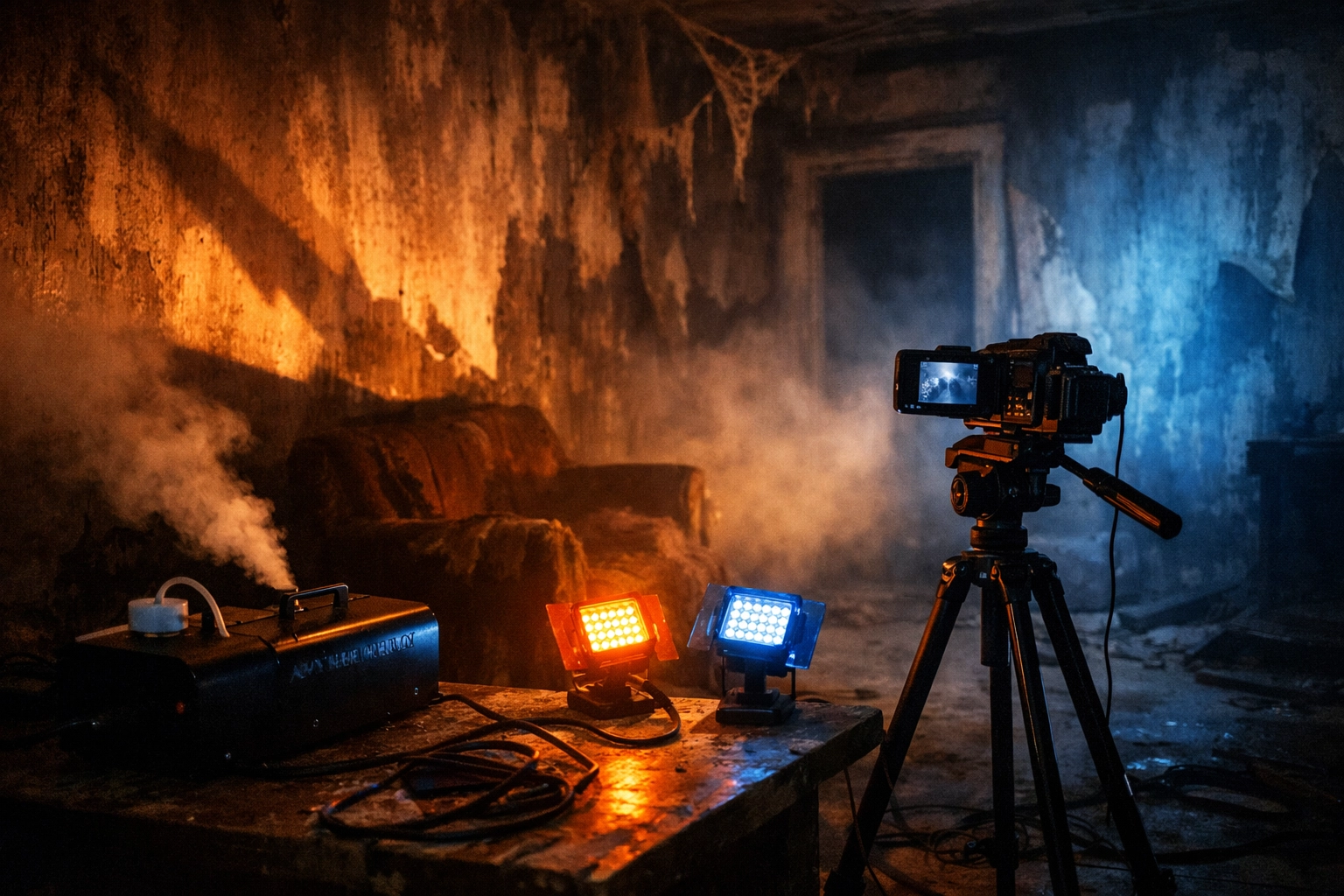
The ROI on horror films is consistently higher than almost any other genre. Think about it: The Blair Witch Project was made for around $60,000 and grossed nearly $250 million worldwide. Paranormal Activity cost $15,000 and became a franchise. Even in 2026, low-budget horror films continue to dominate genre festivals like Sitges, Fantasia, and FilmQuest, proving that audiences will always show up for a good scare.
But beyond the financial upside, horror gives you creative freedom. You can shoot in a single location. You can use practical effects that cost next to nothing but look incredible on camera. And because horror thrives on what you don't show, you can use limitations to your advantage. Darkness, shadows, and sound design become your best friends.
Streaming platforms are also hungry for horror content. Services like Shudder, Tubi, and even major players like Netflix and Hulu are actively seeking genre films to fill their libraries. In 2026's distribution landscape, niche audiences are easier to reach than ever before: and horror fans are some of the most loyal viewers you'll find.
Pro tip: Focus on subgenres that haven't been oversaturated. Folk horror, psychological thrillers, and socially conscious horror (think Get Out or The Purge) are all areas where fresh voices can stand out.
Documentary: The Human Interest Powerhouse
If horror is about fear, documentary filmmaking is about truth: and right now, audiences are craving authentic stories more than ever. Documentaries have exploded in popularity over the past few years, and 2026 is no different. Streaming demand for documentary content is at an all-time high, with platforms actively commissioning and acquiring docs that explore everything from true crime to environmental issues to personal memoirs.
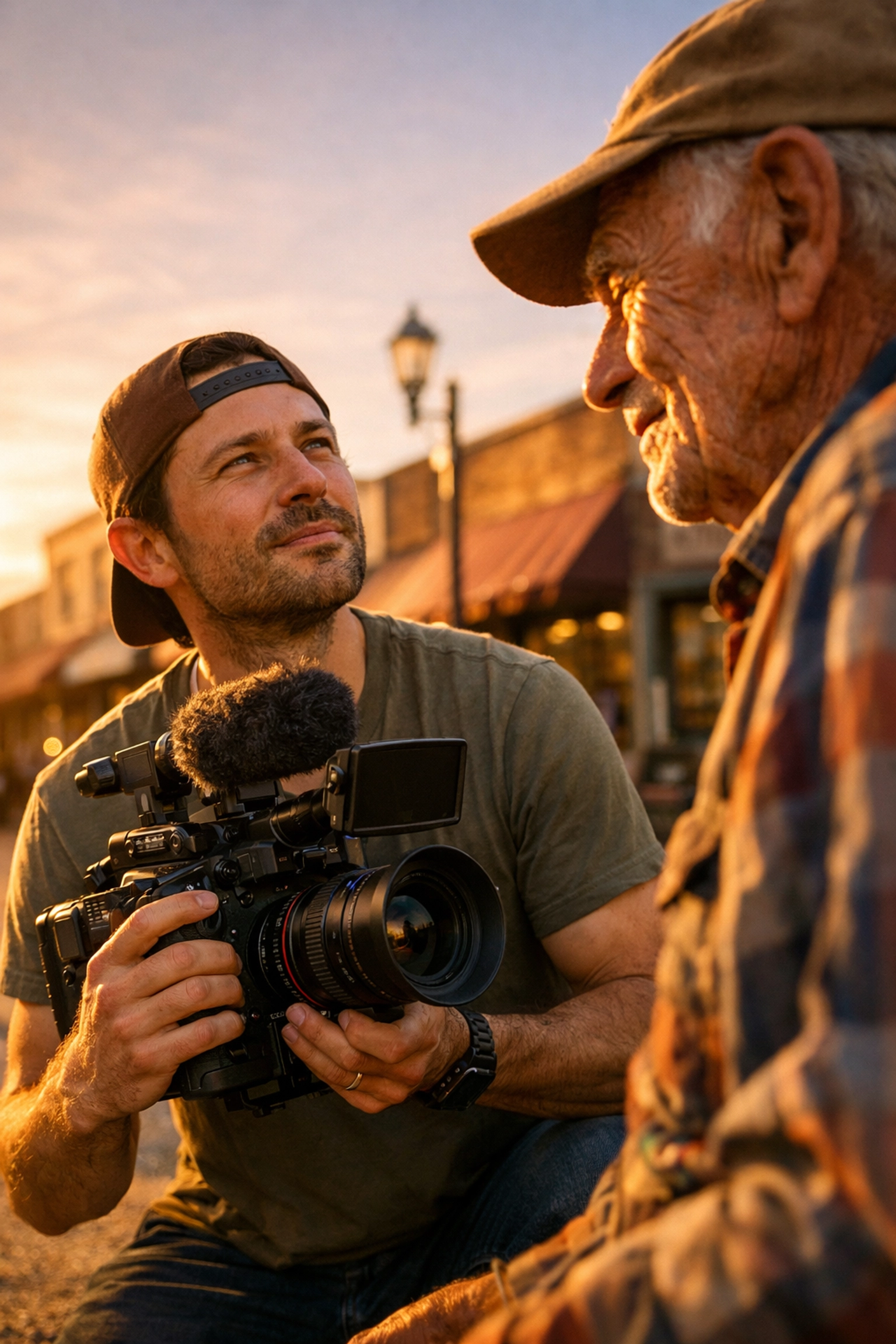
Here's why documentaries make sense for indie filmmakers: they're cost-effective by nature. You're not building sets or hiring costume departments. You're capturing real life, which means your biggest expenses are travel, equipment, and post-production. And if you're telling a compelling story, those costs are worth it.
The key is finding a human-interest angle that feels urgent and relevant. What's happening in your community that the world needs to know about? Who's doing something extraordinary that hasn't been documented yet? Authentic regional stories are one of the five biggest trends in 2026 festival programming, which means there's a built-in appetite for docs rooted in specific places and communities.
Documentaries also have multiple distribution avenues. You can aim for theatrical release through specialty distributors, submit to major festivals like Sundance or Tribeca, pitch to streaming services, or even self-distribute through platforms like YouTube Premium or Vimeo On Demand. The path to an audience is more flexible than traditional narrative filmmaking.
Pro tip: Start building your audience during production. Share behind-the-scenes content, create a social media presence for your film, and engage with communities connected to your subject matter. In 2026, attention is currency: and if people are invested in your journey, they'll show up when the film is finished.
Character-Driven Drama: Performance Over Pyrotechnics
Character-driven drama is the third pillar of successful indie filmmaking, and it's having a major moment right now. Audiences are tired of CGI spectacle and cookie-cutter blockbusters. They want stories about real people navigating complex emotions, relationships, and moral dilemmas.
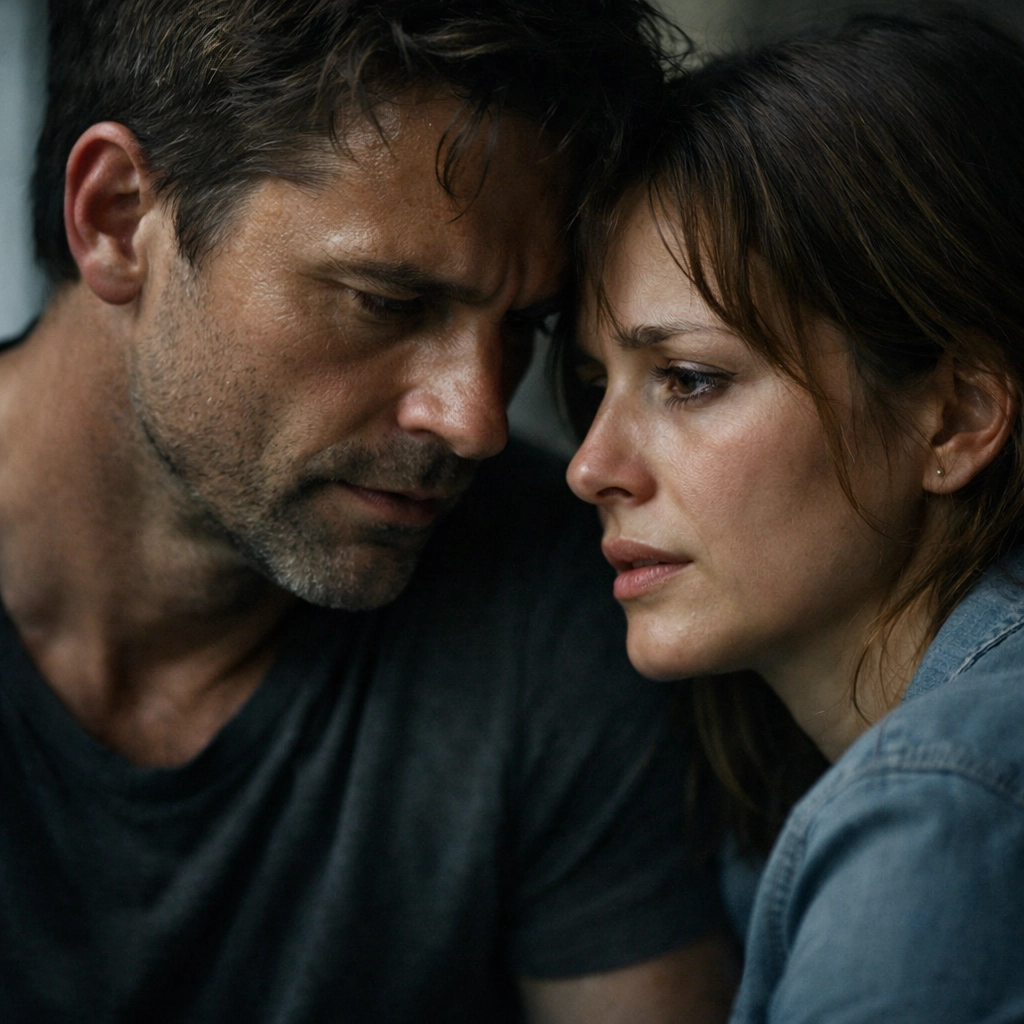
This genre is tailor-made for independent filmmakers because it's all about performance, not production value. You don't need explosions or chase scenes: you need actors who can carry a scene with nothing but dialogue and body language. Films like The Invite (a marital chamber drama) and The History of Sound (a quiet period romance) are proving that intimate, character-focused storytelling resonates deeply with festival programmers and audiences alike.
The production model for character-driven drama is inherently lean. You can shoot in a handful of locations. You can work with a small crew. And because the story lives in the performances, you can focus your budget on getting the right actors and giving them the time and space to do their best work.
What makes this genre especially appealing in 2026 is how well it plays on streaming platforms. These are the kinds of films people want to watch at home: intimate, emotional, thought-provoking stories that don't require a big screen to land. Services like A24's streaming arm, MUBI, and Criterion Channel are actively seeking character-driven independent films, and they're willing to pay for quality.
Pro tip: Don't be afraid to get specific. The more particular your characters and setting, the more universal your story becomes. Niche is the new mainstream, and audiences are drawn to stories that feel authentic and lived-in rather than generic and broad.
The 2026 Sweet Spot: Niche Audiences and New Distribution Models
Here's what ties these three genres together: they all benefit from the current state of film distribution. In 2026, you don't need to appeal to everyone: you just need to find your people. Niche audiences are easier to reach than ever thanks to targeted social media marketing, algorithmic recommendations on streaming platforms, and the rise of genre-specific festivals and online communities.
Horror fans congregate on platforms like Letterboxd, Reddit, and Discord. Documentary audiences follow specific issues and creators on YouTube and Patreon. Drama lovers subscribe to arthouse streaming services and follow festival circuits religiously. These are engaged, passionate viewers who will champion your film if it speaks to them.
And the distribution landscape has never been more filmmaker-friendly. You can negotiate directly with streaming platforms, use hybrid distribution models that combine theatrical and digital releases, or even self-distribute through your own channels. The gatekeepers still exist, but they're no longer the only path to an audience.
The key is understanding your film's natural home. A character-driven drama might premiere at Sundance and land on MUBI. A documentary about a regional issue might find its audience through community screenings and educational distribution. A horror film might blow up at Fantasia and get picked up by Shudder. Each genre has its own ecosystem: your job is to learn how it works and position your film accordingly.
Make the Constraints Work for You
At the end of the day, indie filmmaking is about turning limitations into strengths. You don't have the budget for massive set pieces? Make a horror film where tension lives in the shadows. You can't afford big-name actors? Tell a documentary story that doesn't need them. You're working with a skeleton crew? Create a character-driven drama where performance is everything.
These genres aren't just practical choices: they're creative opportunities. They force you to focus on what matters most: story, character, and emotional truth. And in 2026, those are exactly the things audiences are hungry for.
So if you're sitting on a script or planning your next project, consider whether one of these three genres might be the right fit. Not because they're easy (they're not), but because they give you the best chance to break through, connect with an audience, and build a sustainable career as an independent filmmaker.
The path is there. You just have to choose the right story to tell.
Comments