
7 Mistakes You're Making with Documentary Storytelling (and How to Fix Them)

Documentary filmmaking is one of the most rewarding ways to tell real stories. But here's the thing: capturing reality doesn't automatically make for a great documentary. Even experienced filmmakers fall into traps that can turn a powerful story into something that loses its audience halfway through.
Whether you're working on your first short doc or your tenth feature, these mistakes show up more often than you'd think. The good news? Every single one of them has a fix. Let's break down the seven most common documentary storytelling pitfalls and how to get past them.
Mistake #1: Your Focus Is Too Broad
This is probably the most common issue we see, especially with passion projects. You care deeply about a topic: climate change, mental health, social justice: and you want to cover everything. The result? A documentary that tries to say everything and ends up saying nothing.
When your scope is too wide, your audience struggles to connect. They don't know what to hold onto or who to care about. You end up with a film that feels more like a lecture than a story.
The Fix: Narrow it down. Way down. Instead of making a documentary about homelessness, make one about a single person experiencing homelessness on a specific journey. Instead of covering an entire movement, follow one organizer through a pivotal moment. The more specific you get, the more universal your story becomes. That's the magic of documentary storytelling: small stories often carry the biggest truths.
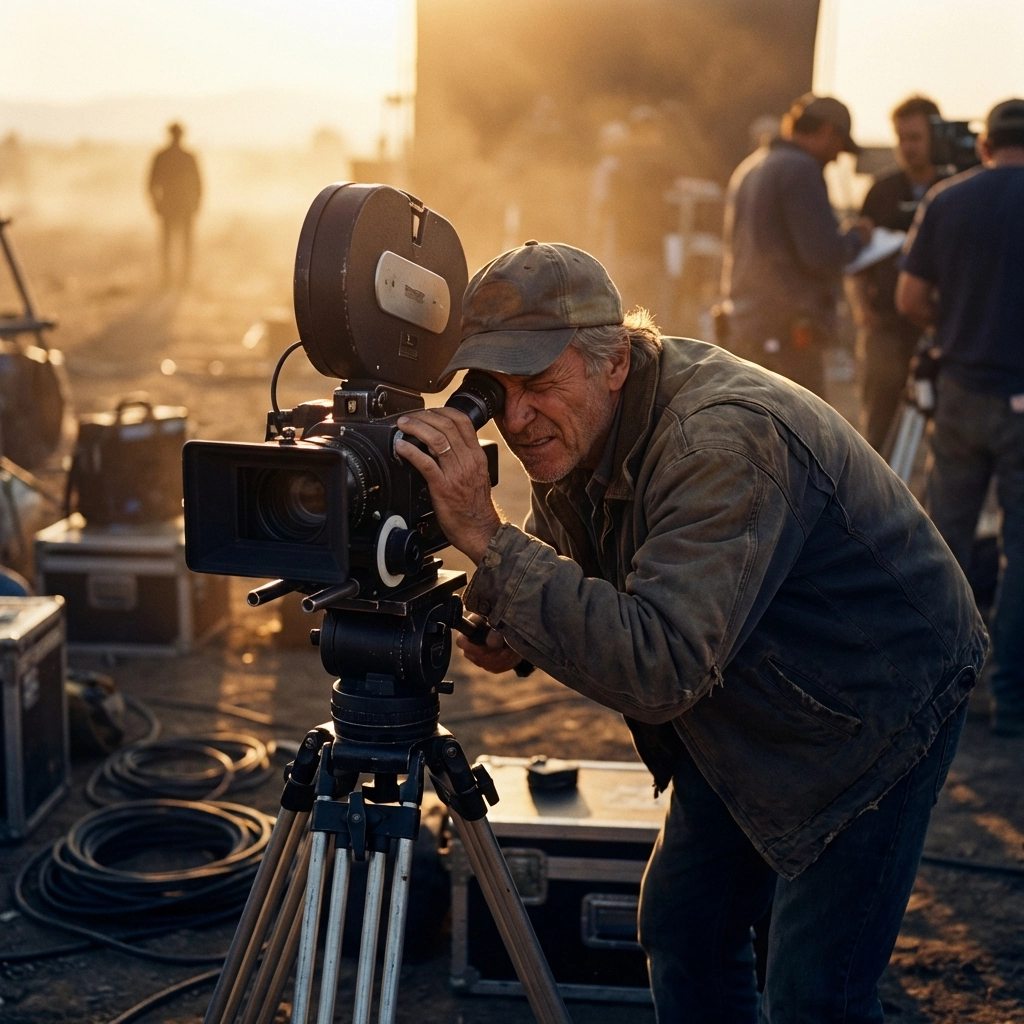
Mistake #2: Weak or Missing Central Characters
Documentaries need characters just like fiction films do. And not just any characters: they need people your audience can root for, relate to, or at least find fascinating. Too many docs rely on a rotating cast of talking heads without giving viewers someone to emotionally invest in.
Without a strong central figure (or figures), your documentary becomes a collection of information rather than an experience. Audiences remember people, not statistics.
The Fix: Find your character early and build your story around them. Look for someone who has something at stake, who is actively pursuing a goal, and who will let you into their world authentically. Spend time with them before you start filming to understand their journey. Your documentary should follow their arc, not just document their existence.
Mistake #3: Poor Pacing That Loses Your Audience
Pacing issues kill more documentaries than you'd expect. Sometimes it's a slow opening that takes too long to get going. Other times it's a saggy middle section where nothing much happens. Or maybe everything happens at the same intensity level, leaving viewers exhausted or bored.
Real life doesn't come pre-edited with perfect dramatic timing. That's your job as the filmmaker.
The Fix: Structure your documentary with intentional rhythm. Think in terms of tension and release. Build toward moments of conflict or revelation, then give your audience breathing room before the next peak. Watch your rough cut with fresh eyes (or better yet, fresh viewers) and note where attention drifts. Those spots need trimming or restructuring. A great documentary should feel like it earns every minute of its runtime.
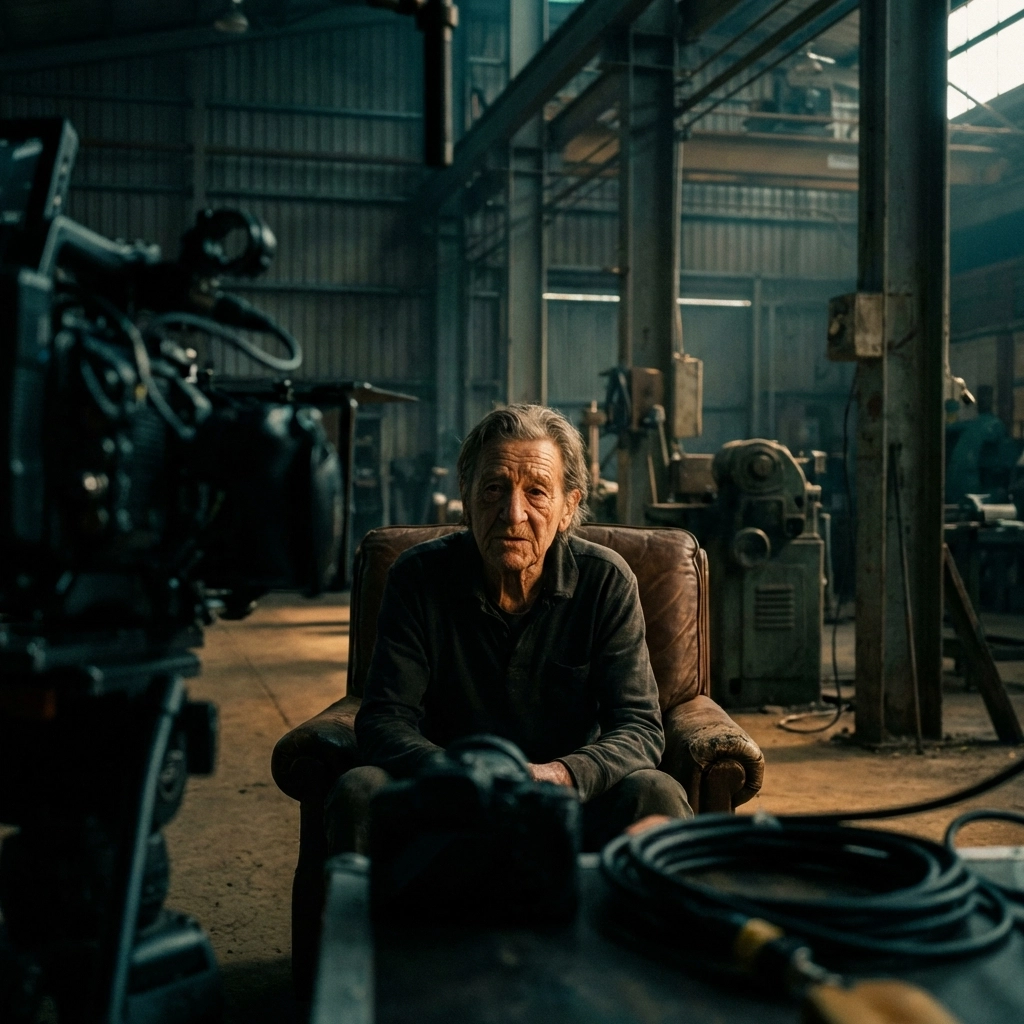
Mistake #4: Missing Emotional Arcs
Here's a hard truth: facts don't move people, feelings do. You can have the most important subject matter in the world, but if your documentary doesn't create an emotional experience, it won't connect. Many filmmakers focus so hard on conveying information that they forget to make audiences feel something.
A documentary without emotional stakes is forgettable, no matter how well-researched it is.
The Fix: Plan for emotion from the very beginning: not as an afterthought in the edit bay. Identify the emotional journey you want your audience to take. Where do you want them to feel hope? Tension? Sadness? Joy? Then structure your story to deliver those beats. This doesn't mean manipulating your audience: it means being intentional about the human experience you're crafting. Let moments breathe. Don't cut away from genuine emotion too quickly.
Mistake #5: Ignoring Visual Style
Just because you're shooting real life doesn't mean your documentary should look like raw surveillance footage. Visual style matters. It sets tone, creates mood, and keeps viewers engaged. Too many documentary filmmakers treat cinematography as an afterthought, resulting in flat, uninspired visuals that don't serve the story.
Your camera choices communicate meaning whether you plan them to or not.
The Fix: Develop a visual language for your project before you start shooting. What's the color palette? How will you frame your subjects? Will you use handheld for intimacy or tripod for stability? What about lighting in interviews? These choices should reflect your story's themes and tone. And be purposeful with camera movement: every pan, tilt, or dolly should have a storytelling reason behind it. Random zooms and unmotivated movements just distract from your narrative.
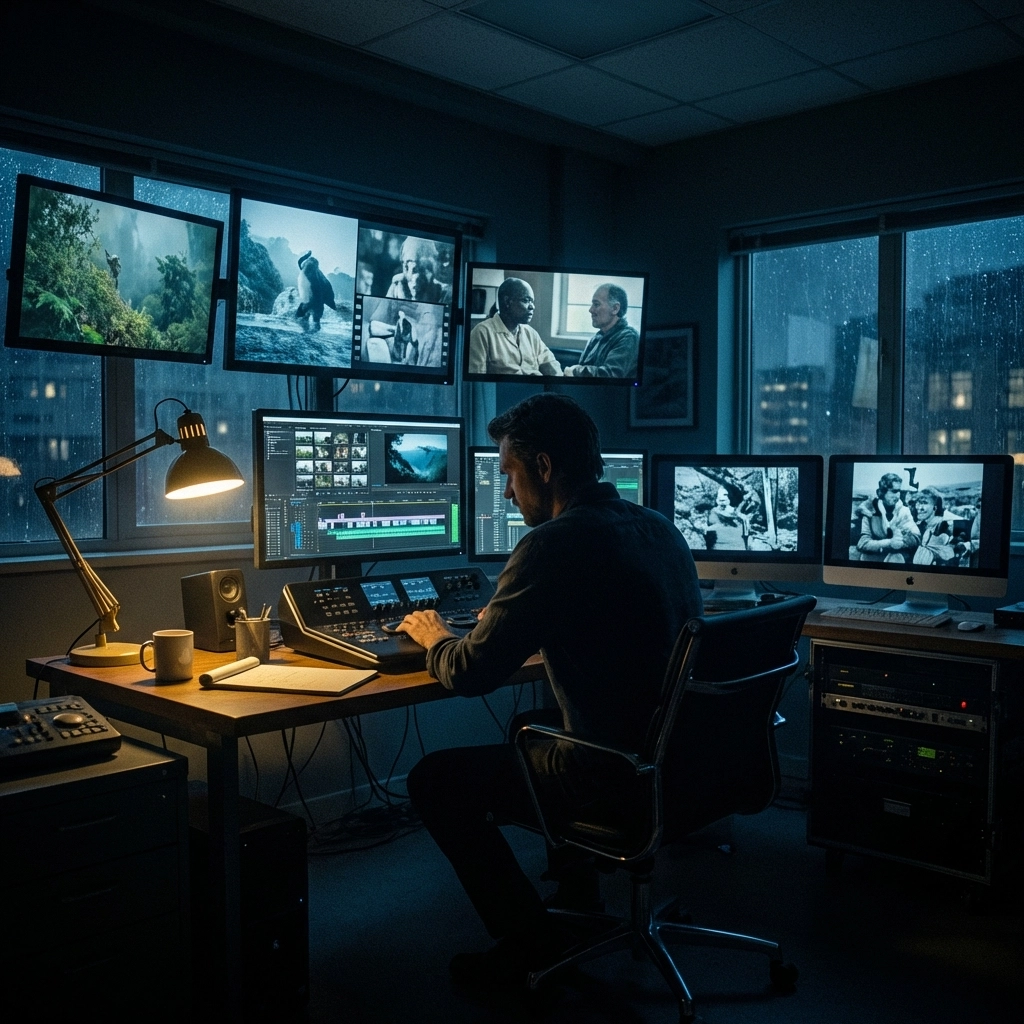
Mistake #6: Over-Narration (Telling Instead of Showing)
"Show, don't tell" isn't just advice for screenwriters: it's essential for documentary filmmakers too. Relying too heavily on narration or talking-head interviews to explain what's happening is one of the fastest ways to disengage your audience. It turns your documentary into a video essay instead of an immersive experience.
When you tell viewers what to think or feel, you rob them of the chance to discover it themselves.
The Fix: Wherever possible, let action and authentic moments tell your story. Instead of having someone describe an event, film the event. Instead of narrating what a location means to your subject, show them experiencing that place. Use narration and interviews as connective tissue, not as the backbone of your story. Trust your footage: and trust your audience to understand what they're seeing.
Mistake #7: Bad Sound Quality
This one might seem technical, but it's absolutely a storytelling issue. Poor audio pulls viewers out of your story instantly. Muffled interviews, background noise drowning out important dialogue, inconsistent levels: these problems signal amateur work, even if your visuals are gorgeous.
Here's the uncomfortable reality: audiences will tolerate imperfect video, but they won't tolerate bad sound.
The Fix: Invest in good audio equipment and prioritize clean sound capture on every shoot. Use external microphones for interviews: never rely on your camera's built-in mic. A lavalier mic is your best friend for sit-down conversations, and a quality shotgun mic helps in the field. Scout your locations for sound issues before you record. And if something does go wrong, budget time and money for audio cleanup in post-production. Your story deserves to be heard clearly.
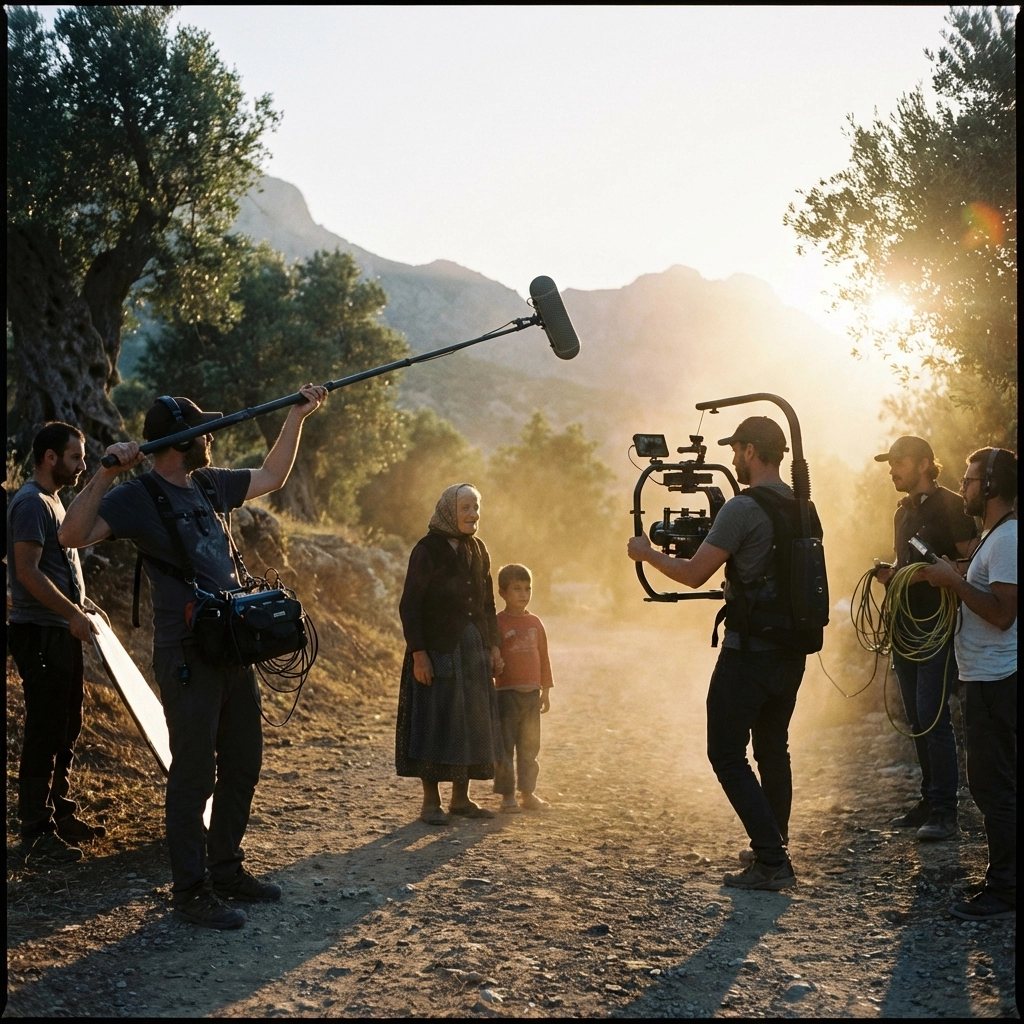
Keep Learning, Keep Experimenting
Here's the thing about documentary filmmaking: there's no single right way to do it. The "rules" exist to help you tell better stories, but some of the most groundbreaking documentaries have broken them deliberately. Once you understand these fundamentals, you earn the right to experiment.
Watch documentaries that move you and study how they work. Pay attention to pacing, emotional beats, and visual choices. Take notes. Then apply what you learn to your own projects.
Every documentary you make teaches you something new. The mistakes you make along the way aren't failures: they're lessons that make your next project stronger. Stay curious, stay humble, and keep pushing yourself to find new ways to tell true stories that matter.
The world needs more documentary filmmakers who care about their craft. So get out there, avoid these pitfalls, and make something that resonates. Your audience is waiting.
Looking for more insights on video production and visual storytelling? Explore more resources at MSR Pictures.
Comments