
5 Simple Ways to Make Your Brand Video Look Cinematic (No Blockbuster Budget Required)

Let's get one thing straight: you don't need a Hollywood-sized budget to make your brand video look like a million bucks. Seriously.
We've seen it time and time again at MSR Pictures: organizations convinced they need to break the bank for professional-looking video content. But here's the truth: cinematic quality comes from intentional creative choices, not just expensive equipment.
Whether you're a healthcare organization trying to connect with patients, a nonprofit sharing your mission, or a business launching a new product, these five techniques will help you elevate your video production without sending your budget into orbit.
1. Light It Like You Mean It
Nothing screams "amateur hour" faster than flat, unflattering lighting. On the flip side, nothing says "cinematic" quite like thoughtfully placed light and shadow.
Here's the good news: you don't need a truck full of professional lighting gear to pull this off.
Start with natural light. Position your subject near a large window, and you've instantly got soft, beautiful illumination that rivals expensive softboxes. The key is timing: early morning or late afternoon light (that golden hour magic) can transform an ordinary interview setup into something genuinely stunning.
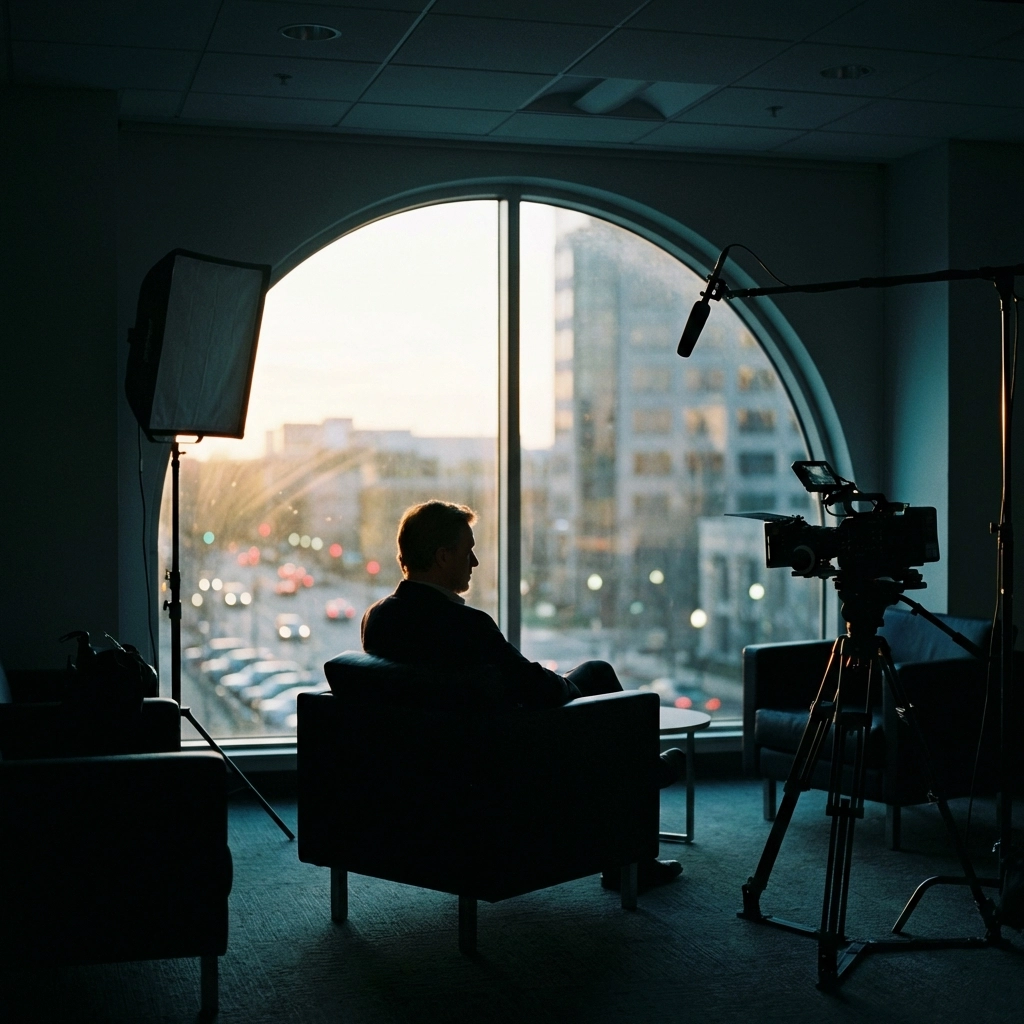
When natural light isn't available or consistent enough, a simple three-point lighting setup works wonders:
Key light: Your main light source, placed at a 45-degree angle to your subject
Fill light: A softer light on the opposite side to reduce harsh shadows
Backlight: Positioned behind your subject to create separation from the background
We used this exact approach for a recent project with Phelps Medical. Their conference room didn't exactly scream "cinematic potential," but by positioning their spokesperson near the window and adding a subtle backlight, we created depth and warmth that made the final video feel polished and professional.
Pro tip: Avoid overhead fluorescent lights like the plague. They cast unflattering shadows under the eyes and give skin tones a greenish cast. If you can't turn them off, at least overpower them with your own light sources.
2. Move the Camera With Purpose
Static shots have their place, but cinematic videos almost always feature intentional camera movement. The trick? Every movement should serve the story.
You don't need a crane or a Steadicam rig to achieve this. Here are some budget-friendly options:
Slider shots: A simple camera slider (you can find decent ones for under $100) adds smooth lateral movement that instantly elevates interview footage or product shots
Gimbal stabilizers: Modern smartphone gimbals are surprisingly affordable and can create buttery-smooth walking shots
Tripod pans and tilts: Even a basic tripod with a fluid head allows for controlled horizontal and vertical movements
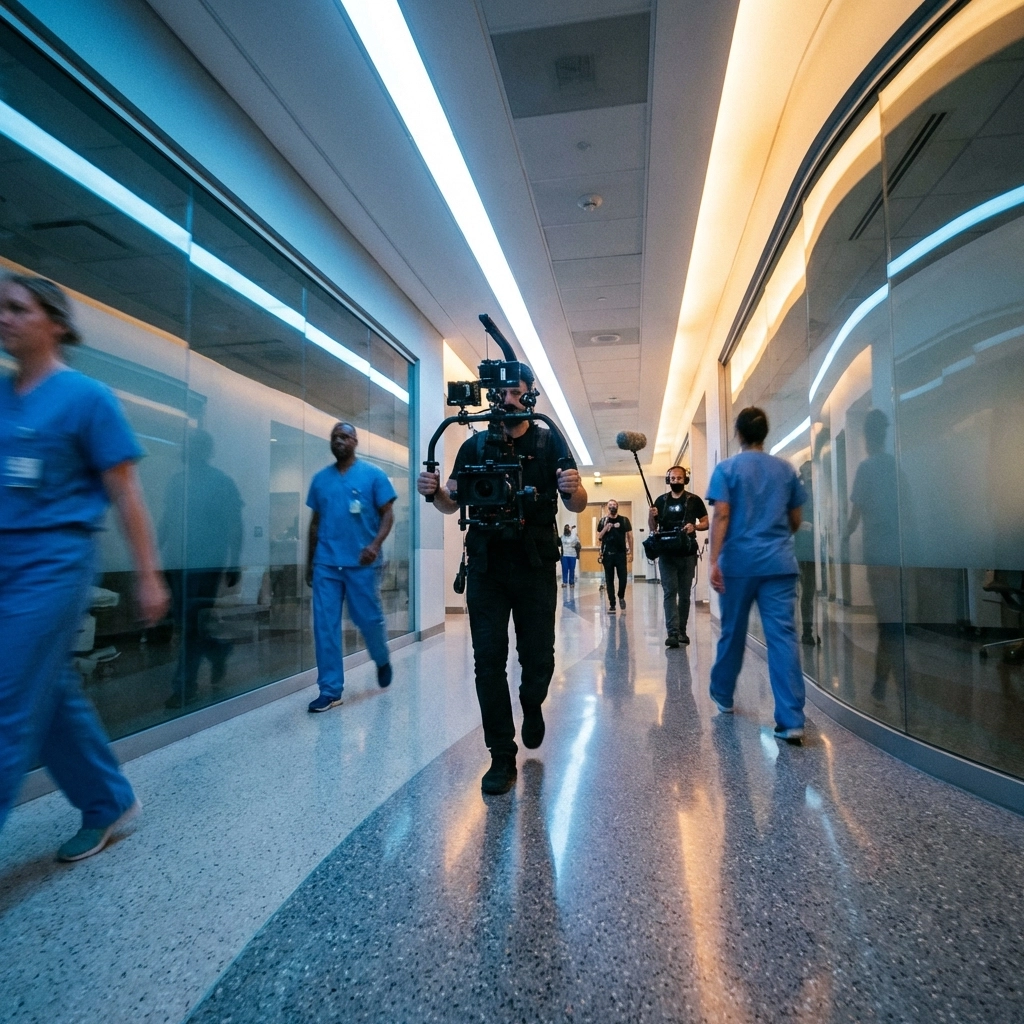
The secret isn't the equipment: it's the intention behind each movement. A slow push-in during an emotional moment draws viewers closer. A gentle pan across a workspace establishes context. A tracking shot following someone through a hallway creates energy and forward momentum.
During our work with Holy Name, we needed to showcase their facility in a way that felt dynamic but not chaotic. Simple dolly movements through hallways, combined with steady handheld shots of staff interactions, gave the video a documentary feel that was both professional and approachable.
What to avoid: Random zooming, shaky handheld footage without purpose, and movements that distract from rather than enhance your message.
3. Lead With Story, Not Just Information
Here's where a lot of brand videos fall flat. They're so focused on cramming in every feature, benefit, and talking point that they forget the most fundamental element of filmmaking: storytelling.
Cinematic videos make you feel something. They take you on a journey, even if that journey is only 90 seconds long.
Before you even think about cameras and lighting, ask yourself:
What's the core emotion I want viewers to feel?
Who is the "character" in this story (even if it's your customer or your brand)?
What transformation or journey are we showing?
Structure matters. Even a simple brand video benefits from a beginning, middle, and end. Set up a problem or situation, show the journey or solution, and resolve with a clear takeaway.
When we worked with NYDOH on a public health campaign, the temptation was to lead with statistics and information. Instead, we focused on real people and their experiences. The data was still there, but it was woven into human stories that viewers could connect with emotionally. The result? Higher engagement and better message retention.
Quick storytelling framework for brand videos:
Hook (first 5-10 seconds): Grab attention with a compelling visual, question, or statement
Context: Establish who, what, and why this matters
Journey: Show the process, transformation, or experience
Resolution: End with a clear message or call to action
4. Don't Sleep on Sound Design
This might be the most overlooked element in brand video production, and honestly? It's one of the biggest differentiators between amateur and professional content.
Great sound design includes:
Clean dialogue: Use a dedicated microphone (even a $50 lavalier mic beats your camera's built-in audio)
Ambient sound: Room tone, background atmosphere, environmental sounds that place viewers in the scene
Music: The right track sets the emotional tone for your entire piece
Sound effects: Subtle additions like whooshes, impacts, or transitions that add polish
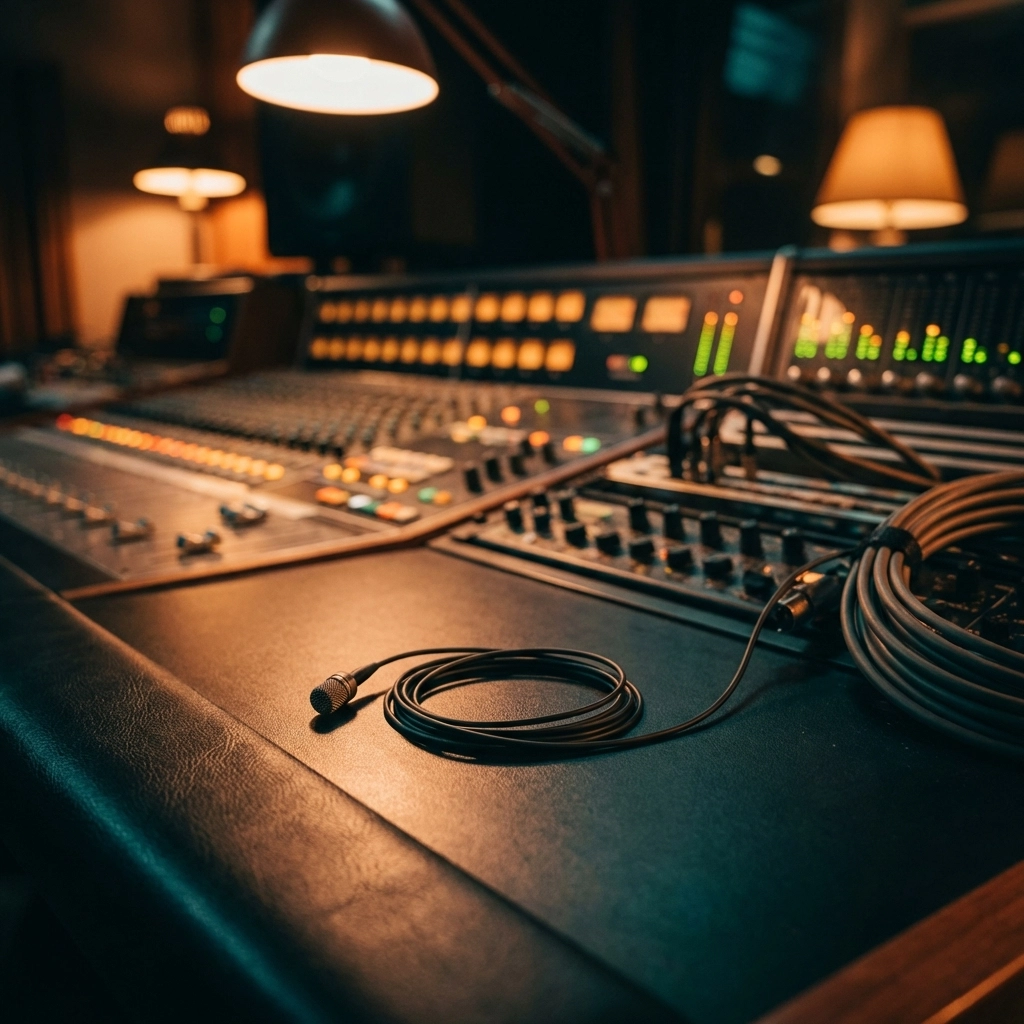
You'd be amazed how much a well-chosen music track can transform footage. The same interview clip can feel corporate, inspiring, emotional, or energetic depending entirely on the audio underneath it.
At MSR Pictures, we spend significant time on audio post-production because we know audiences might forgive slightly imperfect visuals, but bad audio? That'll make them click away faster than anything else.
Budget-friendly audio tips:
Record in quiet environments (turn off HVAC when possible)
Always record room tone for seamless editing
Use royalty-free music libraries (there are excellent options at every price point)
Don't underestimate the power of silence: strategic pauses can be incredibly effective
5. Color Grade Like a Pro
Color grading is the final polish that takes your footage from "good" to "cinematic." It's where you establish mood, create visual consistency, and give your video that finished, professional look.
The great news? Professional-grade color grading tools are more accessible than ever. Software like DaVinci Resolve offers Hollywood-level capabilities, and the basic version is completely free.
What color grading accomplishes:
Consistency: Makes all your footage look like it belongs together, even if shot at different times or locations
Mood: Warm tones feel inviting and personal; cooler tones feel modern and clinical
Depth: Proper contrast and color separation make your images pop
Style: Gives your brand a distinctive visual identity
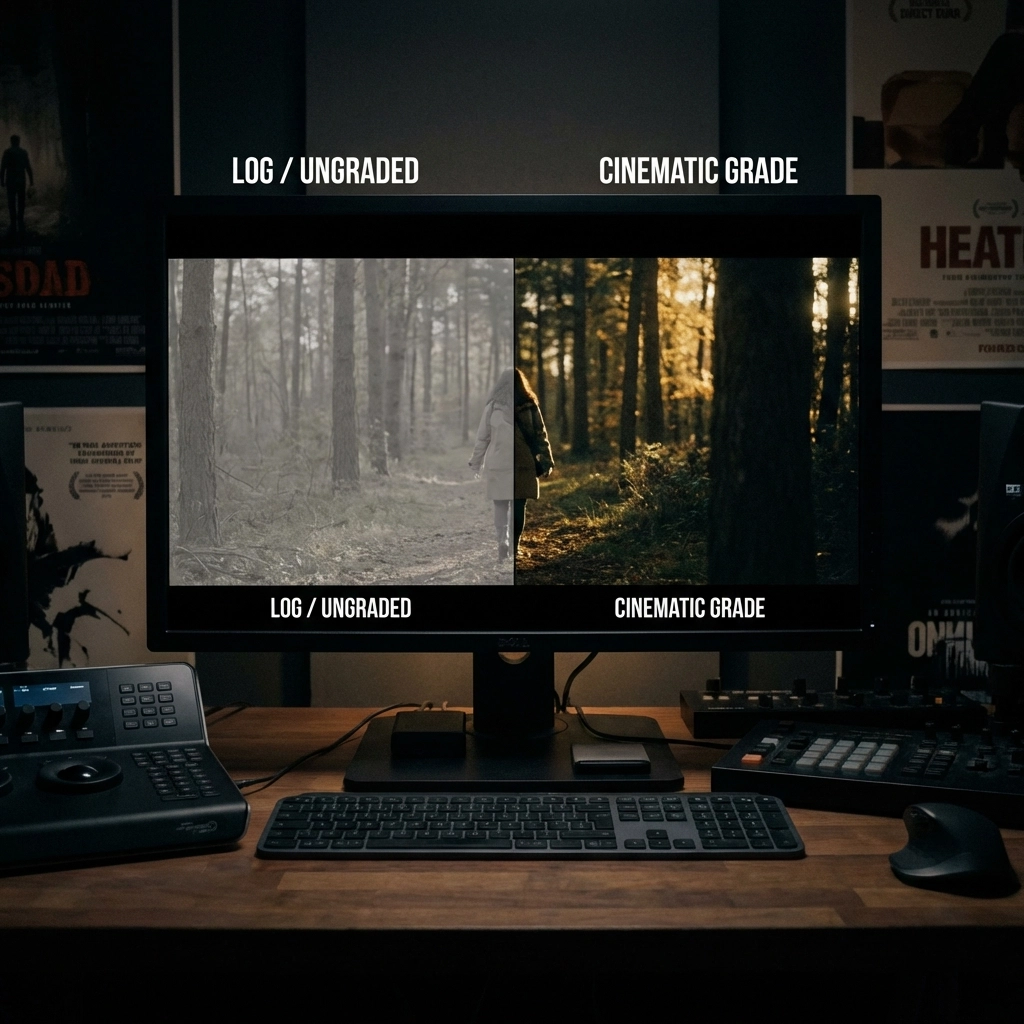
LUTs (Look-Up Tables) are a great starting point: they're essentially preset color grades that can instantly transform your footage. But don't just slap on a LUT and call it done. The best results come from adjusting the grade to match your specific footage and brand aesthetic.
For healthcare clients like Phelps Medical, we often use warmer, softer grades that feel approachable and trustworthy. For tech-focused projects, we might lean into cleaner, more contrasty looks. The grade should always serve the story and the brand.
Bringing It All Together
Here's the bottom line: cinematic video isn't about having the most expensive gear or the biggest crew. It's about making intentional choices at every stage of production: from how you light a scene to how you structure your story to how you polish the final product.
At MSR Pictures, we've helped organizations of all sizes create video content that looks and feels premium without requiring premium budgets. Whether it's a healthcare system like Holy Name, a public health initiative with NYDOH, or a medical facility like Phelps Medical, the approach remains the same: smart planning, intentional execution, and attention to the details that matter.
Ready to Elevate Your Brand Video?
If you're thinking about your next video project and want to explore how these techniques could work for your organization, we'd love to chat. Every project is different, and sometimes a quick consultation can unlock ideas you hadn't considered.
Reach out to us at MSR Pictures for a custom consultation. Let's figure out how to make your brand look cinematic( no blockbuster budget required.)
Comments